The Baby Scoop Era, the Cross-Border Baby Trade, and My Search for the Truth
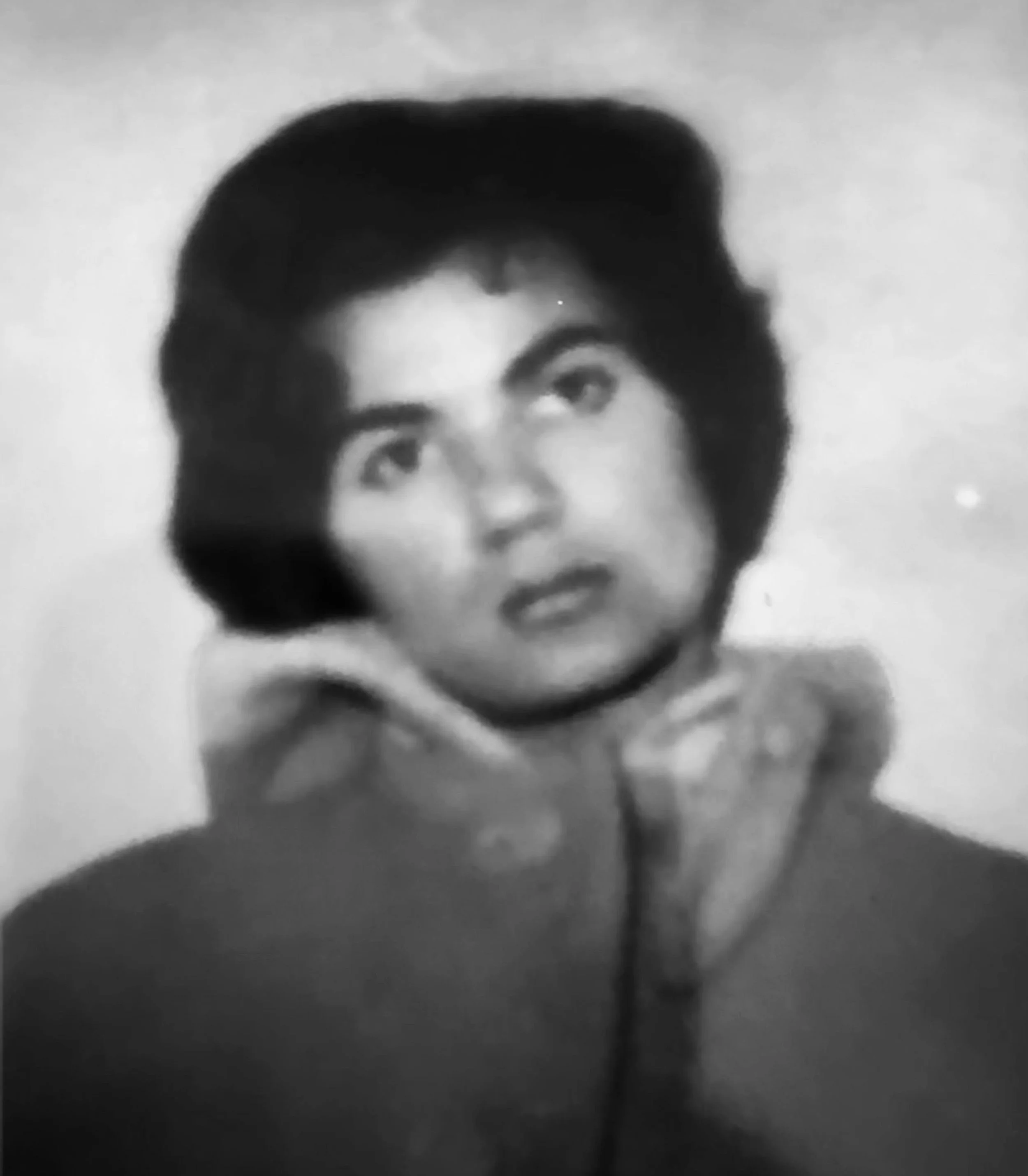
Donna Kole, Montreal, circa 1950’s
I was born in Montreal in 1955. I have spent much of my life trying to understand how I arrived in the United States and why so few records exist to explain it. More than seventy years later, I am still searching for the truth about my origins. Over the years, I learned details about how I was allegedly brought from Canada into the United States. What remains unknown is who arranged it, why it happened, what became of the records, and how many people knew the truth.
My search has taken me through missing documents, cross-border adoption networks, and a conversation with a man who claimed firsthand knowledge of how babies were moved from Canada into the United States during the Baby Scoop Era. To understand my story, you first have to understand the era that made it possible.
Most people have heard of the Baby Scoop Era, but few understand how deeply it affected families across North America or how many questions remain unanswered to this day.
In the United States, the Baby Scoop Era was primarily anchored between 1945 and 1973. In Canada, it lasted much longer, spanning from 1945 until approximately 1988.
During those decades, thousands of unmarried mothers were pressured, coerced, or persuaded to surrender their children for adoption. Many were told they were unfit to raise a child. Others were sent away to maternity homes, hospitals, or religious institutions where secrecy often took precedence over preserving families. Records were sealed, identities were hidden, and countless mothers and children were separated. For many women, there was little real choice.
The official history of the Baby Scoop Era focuses on social stigma, secrecy, and adoption practices. But there is another side of the story that receives far less attention.
Alongside legal adoptions, a network of private intermediaries, lawyers, doctors, maternity homes, and adoption brokers operated throughout North America. Some placements were legal. Some existed in legal gray areas. Others have been the subject of investigations, lawsuits, and allegations involving the buying and selling of infants.
Montreal occupied a unique position in this history. Located close to the United States border, it became a gateway between Canada and major American cities such as New York, Chicago, Detroit, and Boston. At the same time, demand for newborn infants was extraordinarily high among couples unable to have children of their own.
Where there is demand, there is often profit.
Researchers examining adoption practices during the 1950s and 1960s have repeatedly encountered references to lawyers, physicians, maternity homes, and private brokers who facilitated infant placements across provincial and international borders. Some names appear frequently in historical investigations, including Dr. Harry Gordon and lawyer Samuel S. Kasper. Whether every placement connected to these networks was legal, ethical, or properly documented remains a matter of historical debate.
What is not debated is that babies moved from Canada into the United States. Some crossed through approved channels. Others may not have.
In the United States, adoption scandals periodically exposed networks of baby brokers who profited from arranging infant placements. New York and Chicago were among the cities where private adoption activity flourished during the post-war years. Demand often exceeded the number of infants available through traditional agencies, creating opportunities for intermediaries willing to operate outside normal oversight.
For decades, many adoptees accepted the records they were given. Others discovered there were no records to accept.
I am one of them.
Unlike many adoptees, I was never able to obtain a complete set of adoption records explaining the circumstances surrounding my transfer from Canada to the United States. There was no conventional adoption file, no straightforward paper trail, and no documentation clearly explaining who arranged my placement or how it was legally accomplished. What existed instead were gaps in the record, conflicting information, and questions that seemed to multiply with every new discovery.
The absence of documentation became a story in itself.
Years ago, I spoke with a man I identified as a baby broker. Before speaking with me, he told me he had consulted an attorney. According to him, the attorney advised that the events had occurred decades earlier and were beyond any applicable statute of limitations. Only then, he said, did he feel comfortable discussing the past.
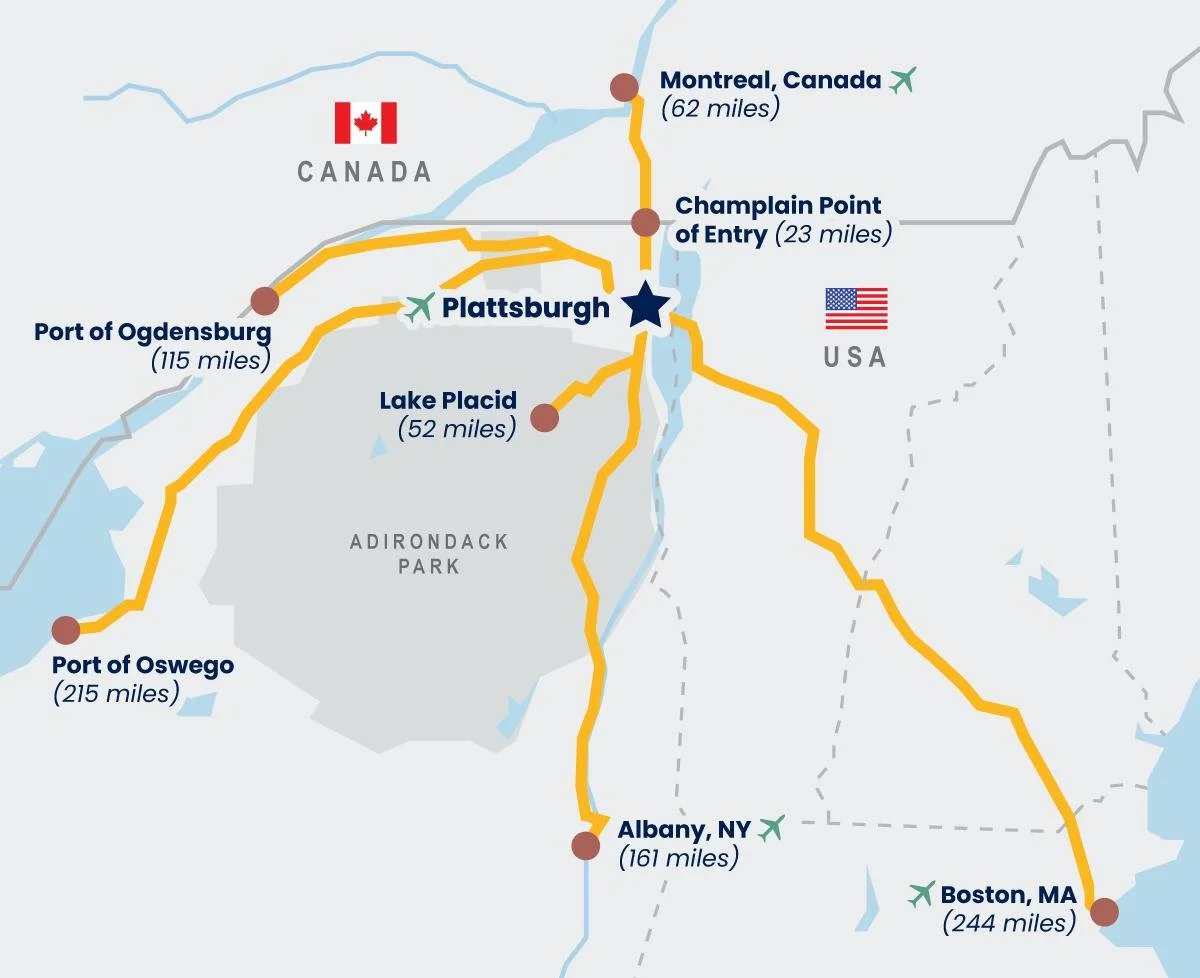
Years later, the baby broker involved in my case described how I was brought from Montreal through Plattsburgh and into Lake Placid.
The baby broker answered some questions while raising many others.
He described how I was transported across the Canadian border while adults posed as a family. The first stop was Plattsburgh, New York. From there, the journey continued to Lake Placid, where I was turned over to Manny Hochberg.
The broker stated that compensation was provided in the form of money for college, dental work, and a one-way ticket back to Vancouver, British Columbia, for the young woman involved in my transfer.
I cannot independently verify every detail of what he told me. More than seventy years have passed, many records have disappeared, and many of the people involved are no longer alive. What I can say is that this information came directly from a man who identified himself as the broker involved in bringing me across the border from Canada into the United States.
What the baby broker told me did not end my search. In many ways, it changed the questions I was asking.
Learning how the broker said I crossed the border answered one question, but it left many others unresolved. I still did not know the full circumstances surrounding my birth, nor did I understand why so few records existed. Most importantly, I still did not know the full story of the woman who gave me life.
As the years passed, my search increasingly focused on Donna Kole. Piece by piece, I began reconstructing a history that had been hidden from me for decades. Family photographs surfaced. New information emerged. Connections that once seemed impossible slowly became clearer. Yet every discovery brought new questions along with the answers.
What began as a search for family gradually became something much larger. I came to understand that the consequences of what happened in the 1950s did not end with a border crossing or a missing record. They continued across an entire lifetime, shaping not only my understanding of the past but also my place in the present.
My search began as an effort to find my biological mother, Donna Kole. Over time, it became a search for identity, truth, recognition, and a history that countless adoptees were denied.
Despite being born in Montreal, I still cannot claim the Canadian citizenship that I believe is rightfully mine. The missing records that have complicated my search for family have also complicated my search for legal recognition.
My pursuit of Canadian citizenship is about far more than a passport. It is about identity, truth, and reclaiming a part of myself that was lost before I was old enough to understand what had been taken.
More than seventy years after my birth, I am still searching, and I know I am not alone. Thousands of adoptees from the Baby Scoop Era continue to search as well—not simply for records or names, but for the truth about who they are, where they came from, and what was taken from them.