Genealogy Resource Library
Welcome to the Genealogy Resource Library. Genealogy is more than names and dates. It is about uncovering stories, preserving memories, and connecting generations. Here you will find genealogy research tips, educational articles, and past Genealogy Spotlights to help you discover, preserve, and better understand your family's unique story.
Weekly Genealogy Spotlight — Week 1
January 12, 2026Annie (Bilyk) Koloski
Born: Fall of 1914 • Saskatchewan, Canada
Died: 15 Mar 2000 • Vancouver, British Columbia, Canada
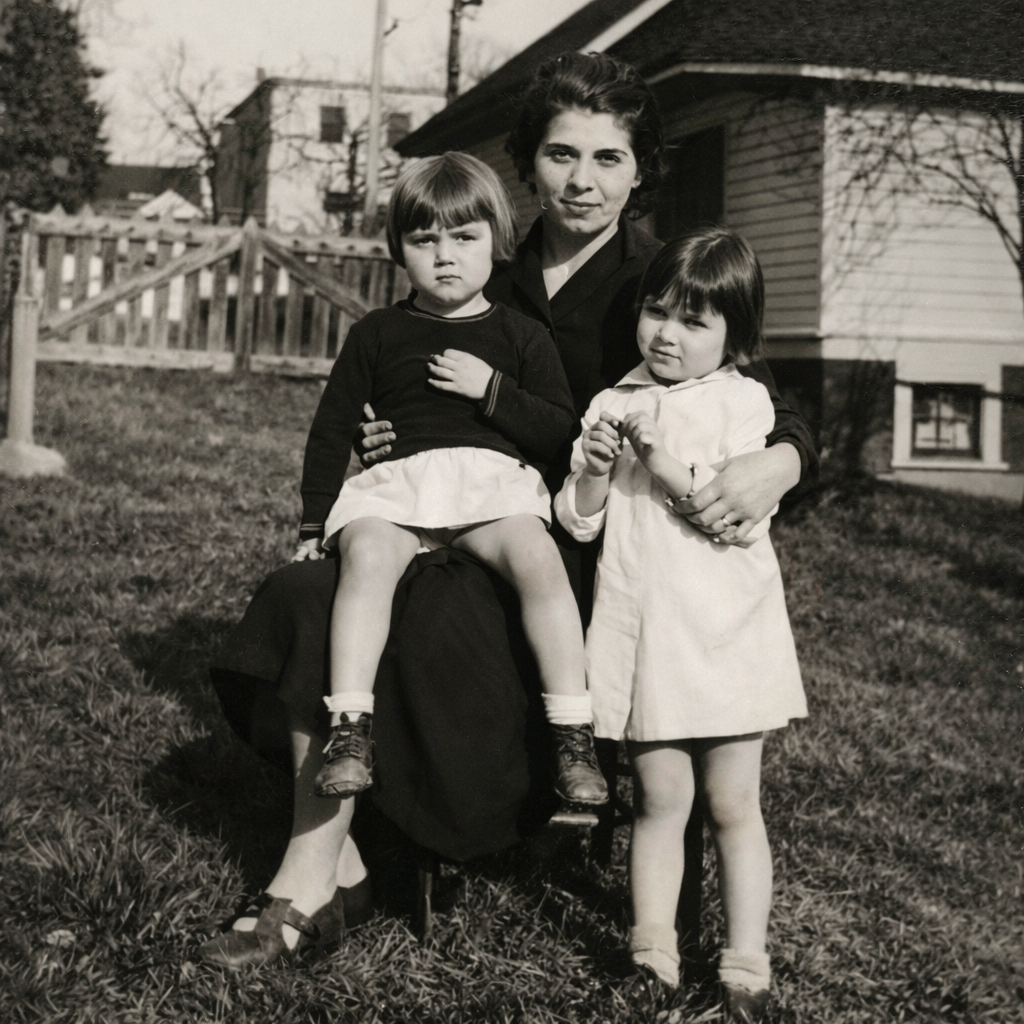
Annie (Bilyk) Koloski with daughters Donna and Dot, 1940s
A Moment in Time: Annie (Bilyk) Koloski with Donna and Dot
This week, I’m beginning a new series where I share moments from my family history through photographs. I’m starting with one that means a great deal to me.
The photograph shows my maternal grandmother, Annie (Bilyk) Koloski, with two of her daughters, Donna and Dot, sometime in the 1940s.
Even softened by age, the emotions are unmistakable. Annie sits steady and protective, her arms gently around her girls. There’s a quiet strength in her expression, the kind that comes from responsibility, resilience, and deep love.
Donna sits on her lap, serious and composed, her small legs hanging over her mother’s knees. Dot stands close by, slightly turned, her face curious and watchful. Their simple dresses, the yard beneath them, and the wooden fence in the background all tell a story of everyday life. This wasn’t a formal studio portrait. It was a real moment, captured as it was.
What I love most about this photograph is how it bridges time.
Even without having known them personally, so much can be felt:
A mother’s devotion
The closeness of sisters
The innocence of childhood
The strength of the women who came before me
Each time I look at this picture, I’m reminded that genealogy is more than names and dates. It’s connection. It’s honoring the women who carried our stories long before we learned how to tell them.
This Week’s Tip:
Don’t overlook simple backyard snapshots. Candid family photos often reveal:
Relationships
Daily routines
Clothing styles
Living conditions
Clues about the home or neighborhood
These small details can help us better understand the world our ancestors lived in.
Weekly Genealogy Spotlight — Week 2
January 19, 2026
Dorothy Ramona “Dot” Kolosky (1934–2019)
Born: February 14, 1934 • New Westminster, British Columbia, Canada
Died: December 5, 2019 • Surrey, British Columbia, Canada
This week, I’m sharing the story of my Aunt Dot. She is not just a relative, but a woman whose life reflects resilience, restraint, and the quiet ways family history is carried forward.
Dorothy Ramona Kolosky was born in 1934, during a time when women’s lives were often shaped by expectation rather than choice. At nineteen years old, her marriage was arranged. In 1953, she married a Ukrainian man named Mike Cvetkovich. Their marriage lasted eighteen years and produced no children, but it left lasting emotional and physical scars. Dot later spoke openly about enduring years of mental and physical abuse before finding the strength to leave.
Leaving did not harden her. It clarified her.
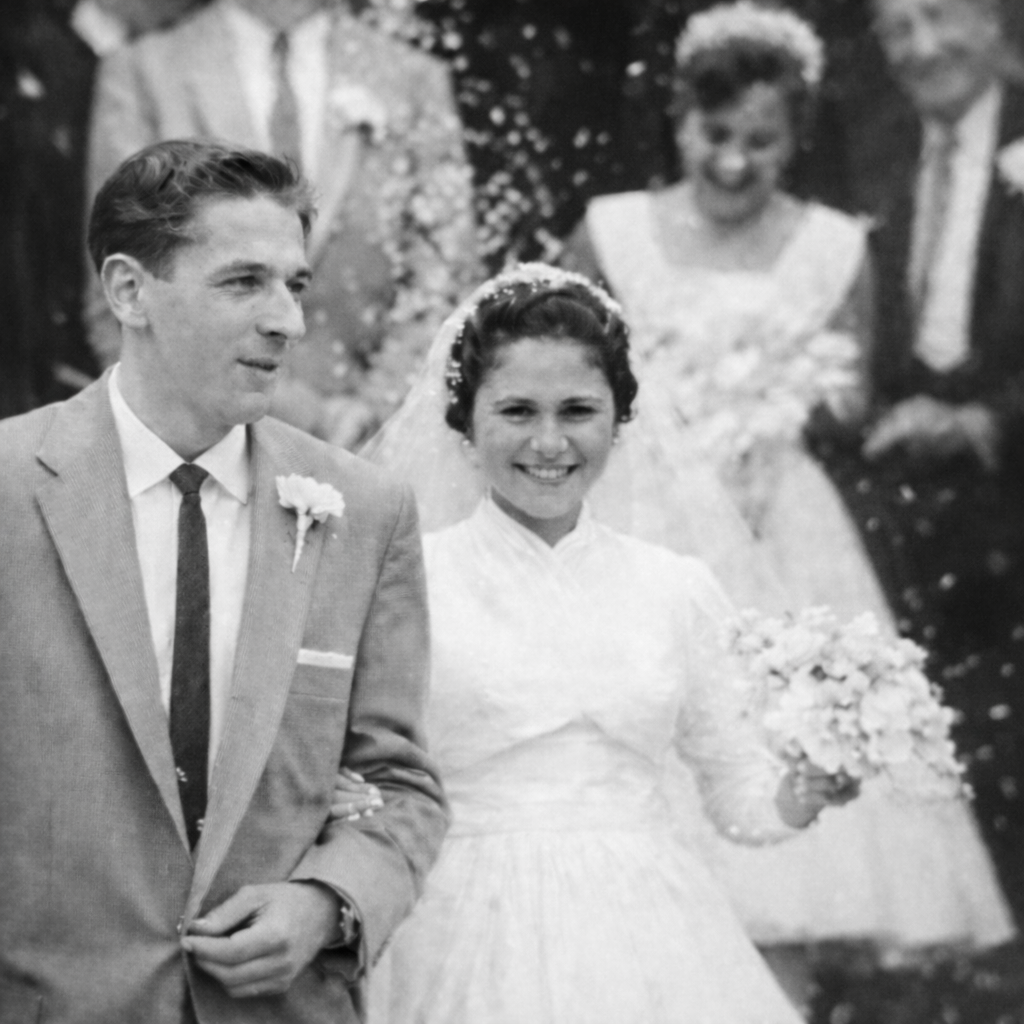
Arranged Marriage | Mike Cvetkovich & Dorothy Kolosky
Dorothy Ramona Kolosky on her wedding day, 1953
Married at nineteen in an arranged marriage, this photograph captures Dot at the beginning of an adult life shaped by obligation and cultural expectation rather than personal choice.
When I finally met my Aunt Dot as an adult, she was elegant and composed, with a softness that came from lived experience rather than ease. Her hair and nails were always immaculate, not for attention, but as an expression of dignity and self-respect.
The moment she saw me walk into her home, she stopped and stared, as if she had seen a ghost. She asked permission to hug me, then held me tightly and told me my resemblance to my mother was uncanny. In that instant, I understood that my mother had never truly left her.
Dot lived in the countryside outside Vancouver, sharing her home for many years with her roommate Marty. The house was modern, open, and filled with art and antiques. There were very few photographs.
Memory lived there quietly.
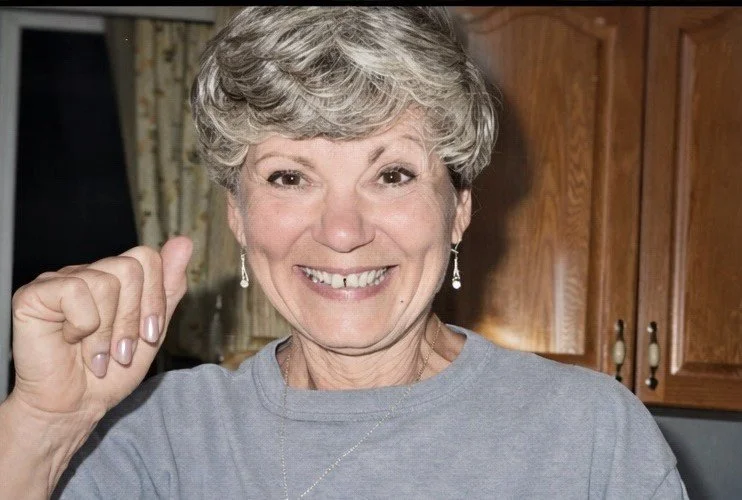
Dorothy “Dot” Kolosky later in life
After leaving an abusive marriage, Dot rebuilt her life on her own terms. Elegant, composed, and quietly observant, she carried dignity not as display, but as self-possession
The Sculpture: A Connection to My Mother
After walking into the great room, I noticed paintings and antiques everywhere. A massive wall storage cabinet stretched across the room, filled with pieces that felt European and Renaissance in style. The space was tasteful and full of memory, yet there were almost no photographs.
There must have been forty to fifty pieces in the room, but only one stopped me in my tracks.
It was entirely white and appeared to be made of porcelain, with a soft matte finish. The sculpture showed two hands, different in size, holding each other. I stood there for several minutes, unable to look away.
Dot asked which piece was my favourite. I told her it was the hands.
She looked at me and said,
“I have so much art and so many antiques, and you picked the only piece I have that belonged to your mother.”
Dot was also a gifted artist, working primarily in watercolours. Her art reflected the same qualities she carried herself: restraint, patience, and attentiveness. She was an avid gardener, and her love of landscape and balance showed clearly in her work.
Later, she gifted me two of her watercolours.
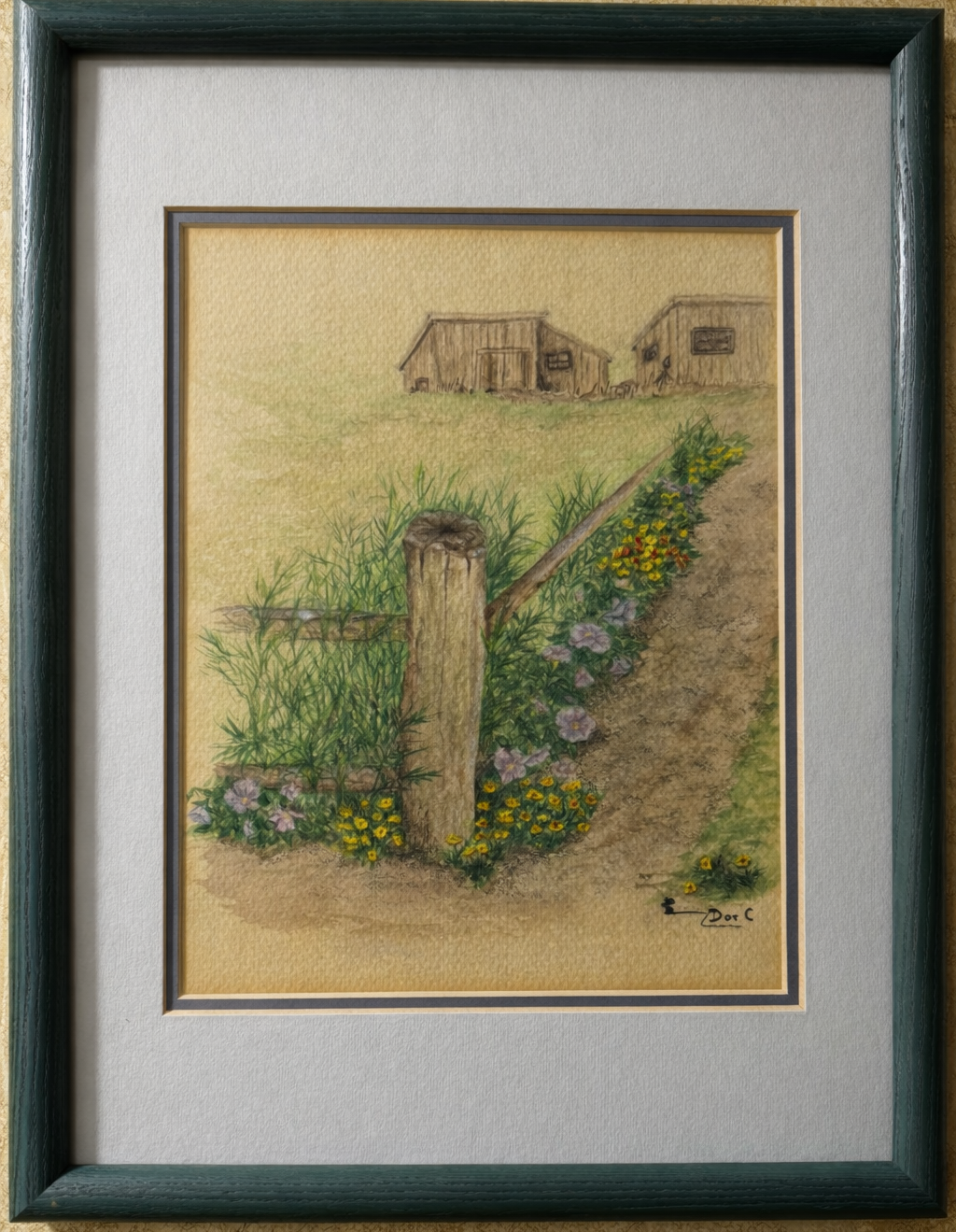
Watercolour by Dorothy Ramona “Dot” Kolosky
What She Left Behind
The sculpture connected me to my mother.
The watercolours connect me to my aunt.
Both were found through instinct, not explanation.
Weekly Genealogy Spotlight — Week 3
January 26, 2026
Thomas Frederick Koloski Tom aka Freddie (1931-2010)
Born: April 22, 1931 • New Westminster, British Columbia, Canada Died: September 19, 2010 • Vancouver, British Columbia, Canada
The first contact with family does not always announce itself.
I remember the day I started calling Vancouver, working my way through every Koloski and Kolosky I could find. One call was answered by a man with a gentle voice. “I’m Tom Kolosky,” he said. We spoke briefly and politely, as strangers do. It was only after I hung up that I realized I had just spoken with my biological uncle for the first time.
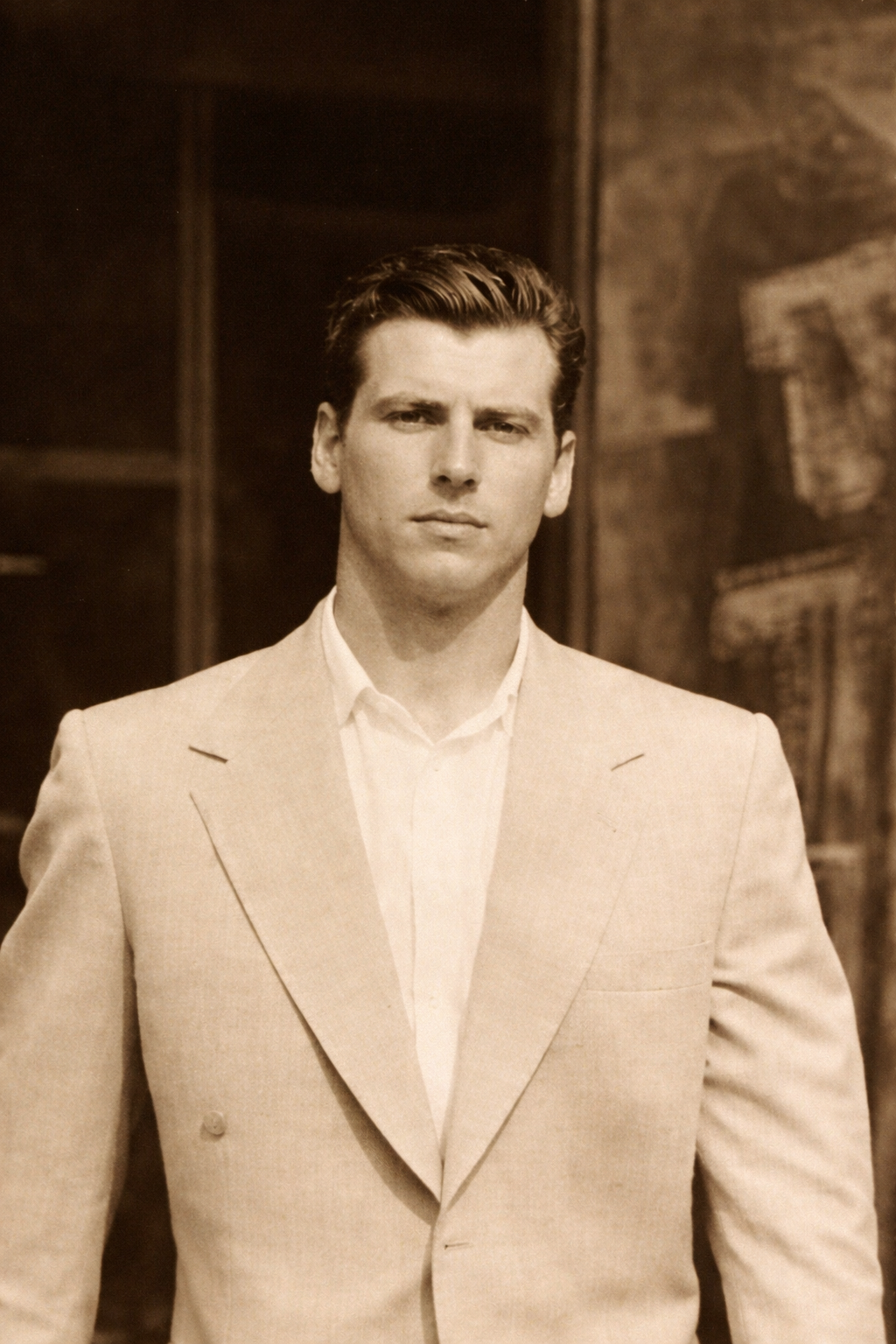
Early Portrait
Thomas Frederick Koloski (Tom “Freddie”)
In early adulthood
Before traveling to Vancouver, I researched my uncle, Thomas Frederick Koloski, known as Tom or Freddie. Born in 1931 in New Westminster, British Columbia, he left Canada in his mid-twenties and crossed into the United States. Records show he lived in Southern California before traveling through South America, including time in Rio de Janeiro. He never married and moved often, a pattern that defined much of his adult life.
Tom was a polyglot, fluent in several languages, a gift he shared with my mother. Languages came easily to him. So did independence. He eventually returned to Canada in the early 1960s, where he spent years caring for my grandmother and maintaining the family home. Health was central to his life. He was meticulous about what he consumed and deeply committed to wellness. I met my uncle several times between 1994 and 2000, though at the time I understood little about his past or how much those encounters would later matter.
Tom died in Vancouver in 2010. A neighbor found him alone in his house. An investigation concluded he had suffered a heart attack and had likely been dead for nearly two weeks. The autopsy revealed that his stomach contained only vitamins, a detail that underscored how seriously he took his health. What stayed with me most was not the cause of death, but how long he had gone unnoticed.
When I visited Vancouver, Jean showed me the outside of the house and then quietly pointed to where Freddie had been buried, near the vegetable garden. He had been laid to rest there without a formal service or cemetery plot. The discovery was shocking. It was my cue to leave. I told Jean I would see her and my Uncle Ron later in the week.
Genealogy does more than trace lives. Sometimes it reveals how a life ends, and how little ceremon
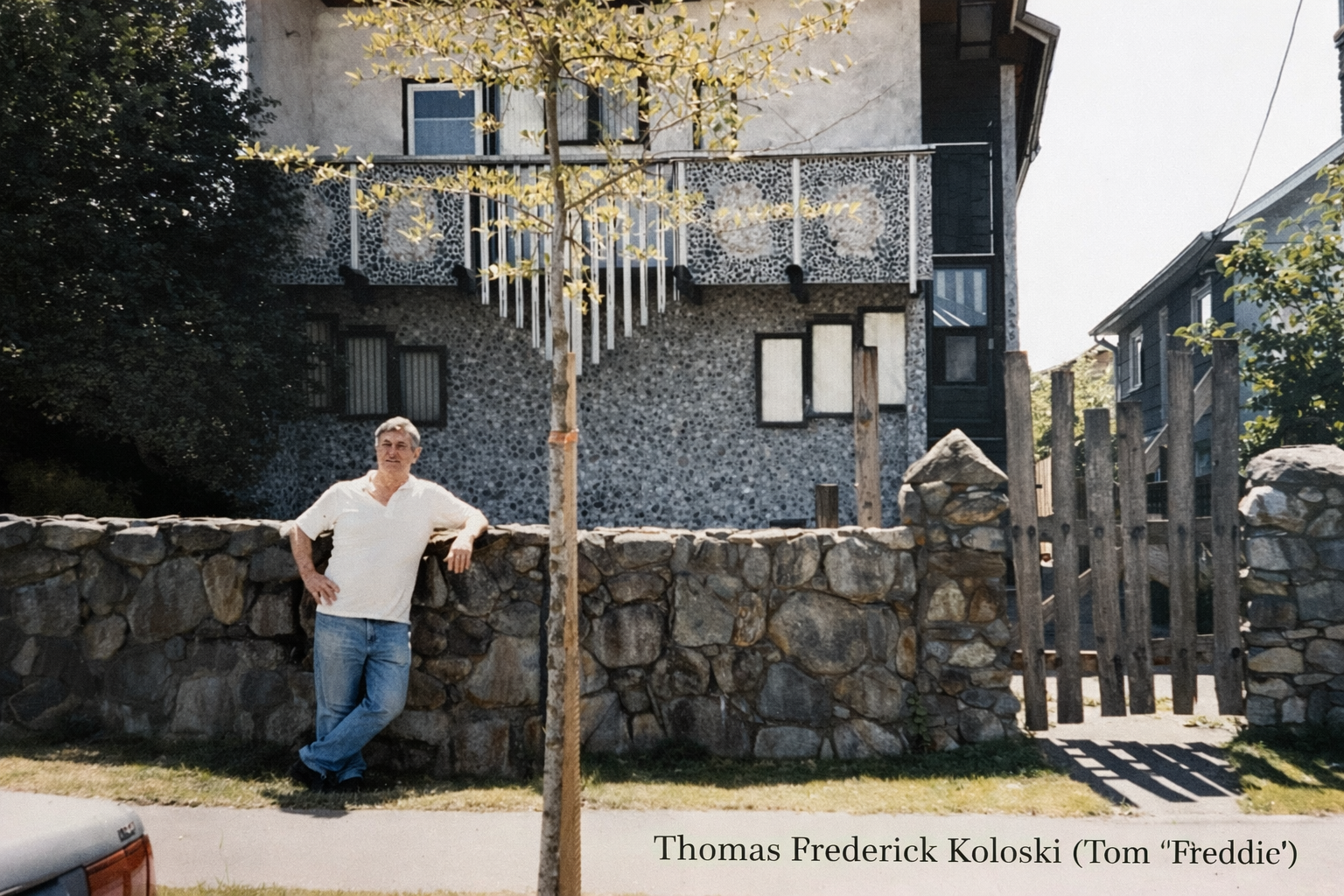
Later Photo (1994)
Thomas Frederick Koloski (Tom “Freddie”)
At the home he shared with and cared for his mother, 1994
Weekly Genealogy Spotlight — Week 4
February 3, 2026
Ronald Kolosky (1932-2020)
Born: 1932 • New Westminster, British Columbia, Canada Died: April 2020 • Vancouver, BC British Columbia, Canada
I didn’t meet my Uncle Ron often, only a handful of times, but when I did, he left an impression that stayed with me. His wife, Jeanne, remained in touch over the years, writing letters and speaking with me on the phone. Through those connections, and through one unforgettable visit, I came to know who my uncle was.
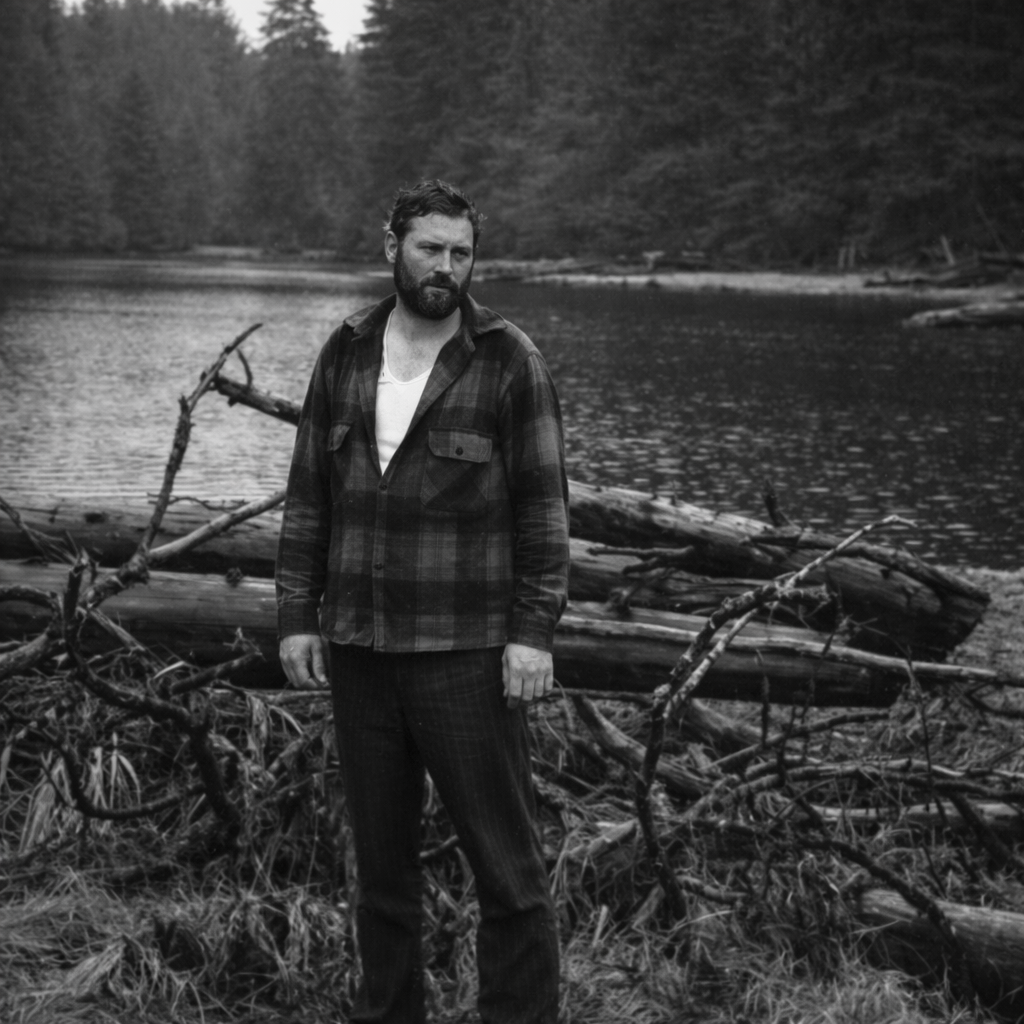
Ronald Kolosky on Vancouver Island during his years as a logger.
Ronald Kolosky was born in 1932 in New Westminster, British Columbia, the son of Frank and Annie. Life at home was difficult. There were five children, little money, and a great deal of instability. When Ron was just fourteen years old, he left home. My mother was nine at the time.
He moved to Vancouver Island and became a logger, a job my grandmother described as hard, honest, and dangerous. Ron loved it. He stayed on the island for decades, working in timber harvesting camps that were full in those years. “Everyone wanted me,” he once said. Logging wasn’t just work to him. It was independence, survival, and purpose. He never looked back.
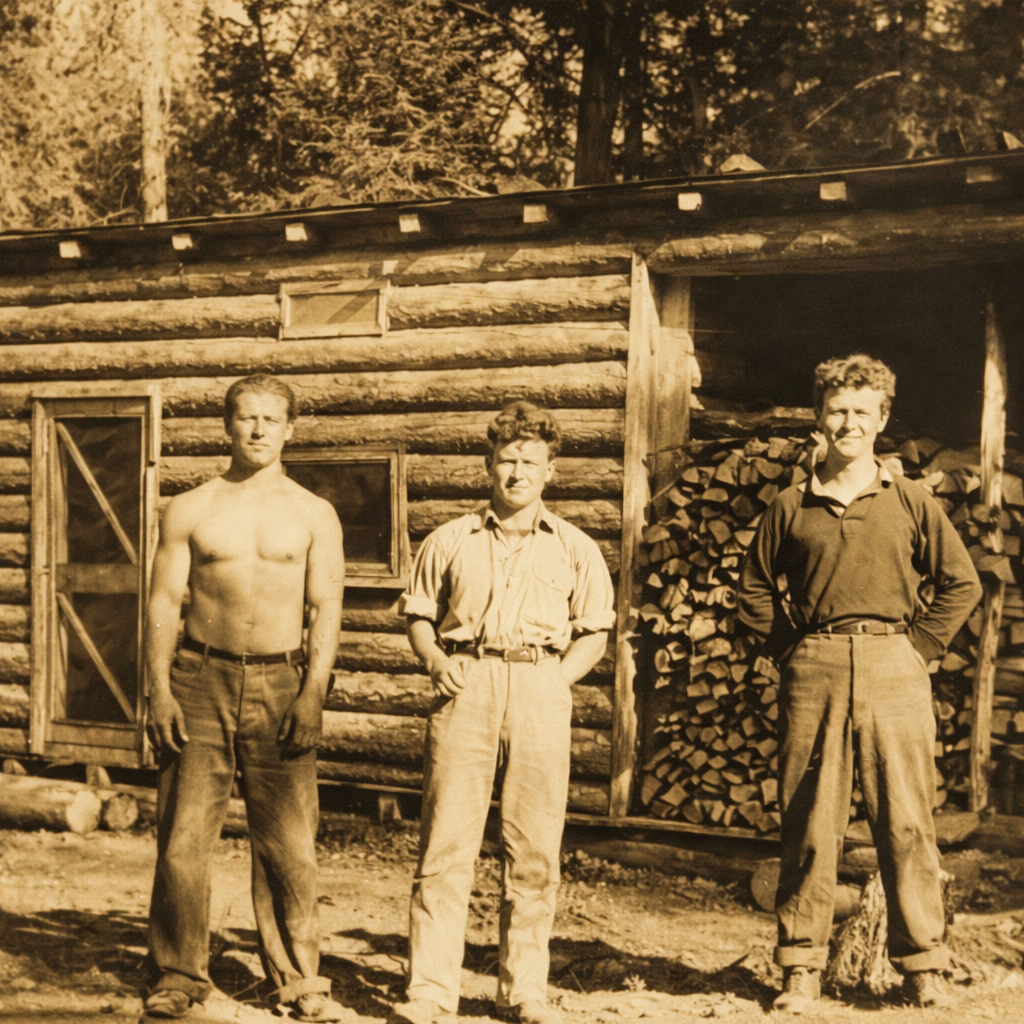
Ron with fellow loggers at a timber camp on Vancouver Island. Photo by Dave.
I met Uncle Ron and Aunt Jeanne in the summer of 1996, nearly two years after my first visit to Vancouver. They were living in a small apartment near my grandmother’s home. Ron was warm, humorous, and big hearted, and he couldn’t get over how much I resembled his sister, Donna. Jeanne was soft spoken and kind, greeting my son David with a gift and welcoming us with an easy grace.
After 2000, there was a long stretch of time when we were no longer in touch. For sixteen years, our lives moved forward separately. When we reconnected in 2016, it felt less like picking up where we left off and more like opening a door that had quietly remained closed.
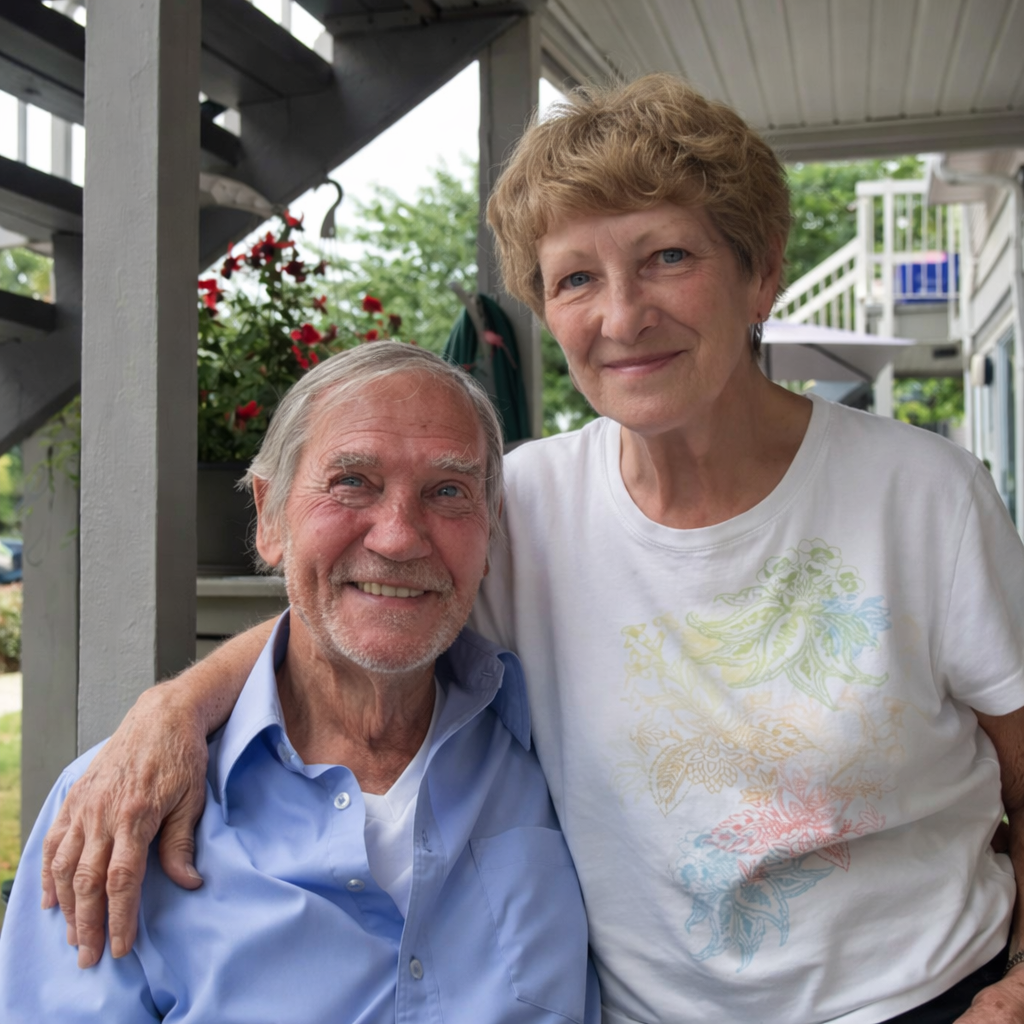
Ron and his wife, Jeanne, during our visit in 2016. Photo by Diana.
Jeanne prepared a late lunch that afternoon, and we sat together talking easily. It was during that quiet moment that Ron began to speak more openly about his life. Hearing him talk about my grandfather and those early years helped me understand how complicated my grandmother’s life had been in ways I hadn’t fully grasped before.
Ron spoke plainly. “We were poor,” he said. My grandmother had five children, and my grandfather was a gambler and a drunk. He left her penniless for another woman. Ron told me that leaving home at fourteen was not a choice so much as a necessity. Work was easy to find then, and logging camps were full. He went where he was needed. It was how he survived, and how he built his life.
Later that day, Ron told me a story he rarely spoke about. In the 1950s, while working as a logger, he was buried alive in an avalanche. It happened in seconds. He was swept hundreds of feet down the mountain and trapped beneath dense snow and ice. Within moments, he could barely move. The light around him faded, and everything went dark. Ron said he remembered screaming one word, “Avalanche,” before the world closed in. He was pulled out seven minutes later. He was one of the lucky ones.
Jeanne stood and spoke quietly then. She said it had been a nightmare for him, one that stayed long after the mountain released him. Ron listened, nodding, and then smiled in that familiar way, softening the weight of what he had just shared. Humor, I understood, had always been one of the ways he survived.
When I asked Ron about religion, he laughed gently. “What difference does it make?” he said. God is with you whether you are Catholic, Protestant, Muslim, or Jewish. God, he believed, was with him that day on the mountain. Listening to him, I understood that faith, for Ron, was not about doctrine. It was about survival, gratitude, and knowing when you had been spared.
I didn’t spend much time with my Uncle Ron, but the time I did have mattered. Some family stories are carried through years of shared presence, while others arrive in a single afternoon and stay with you for a lifetime. Ron’s was one of those stories. It reminded me that family history is not only about how long we know someone, but how deeply we listen when they choose to speak.
Weekly Genealogy Spotlight — Week 5
February 13, 2026
Jenima Ann "Minnie" Richardson (1838-1866)
Paternal 3× Great Grandmother
Born: October 8, 1838 Pike County, Indiana USA
Died: September 20, 1866 Pike County, Indiana USA
Jemima Ann “Minnie” Richardson was born on 18 October 1838 in Pike County, Indiana, to John Beadles Richardson and Mary Ann Richardson, members of a farming community rooted in the rural Midwest. At just 15 years old, she married Elijah Alexander Black, beginning adult responsibilities far earlier than most would today. Early marriages were not uncommon in mid 19th century frontier communities, where family labor, survival, and social expectations shaped the rhythm of life. From that point forward, Jemima’s world would center on home, children, church, and the demanding realities of farm life in southern Indiana.
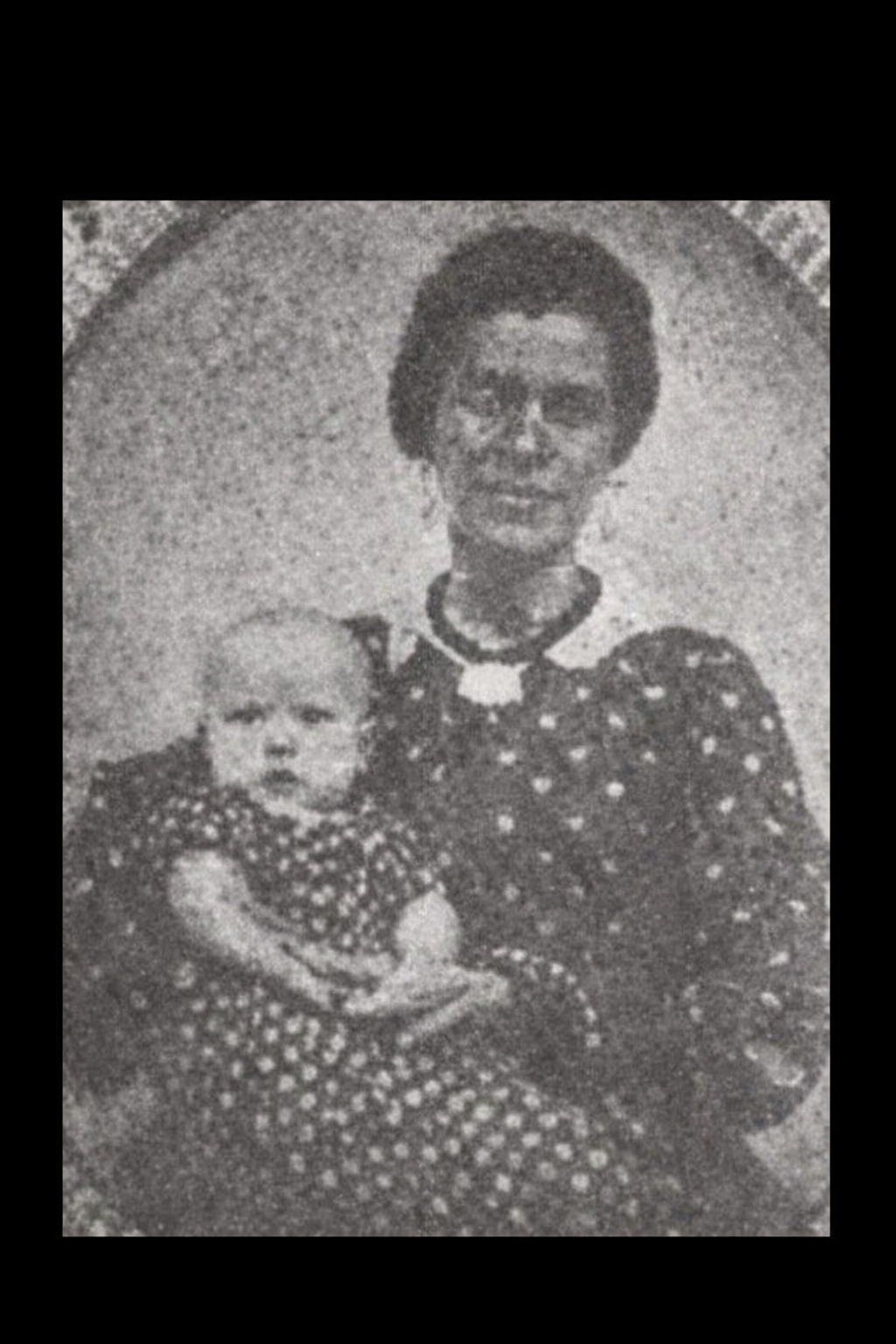
Public member photo, Ancestry®
She spent her entire life in Pike County, where she gave birth to four children and helped sustain her household through years marked by both national upheaval and local continuity. The Civil War era brought uncertainty even to communities far from the battlefields, as families faced economic strain, shifting social structures, and the absence of men who served. Yet daily life on the farm continued, governed by seasons, harvests, and the constant work required to support a growing family.
Jemima’s life came to a tragic end on 20 September 1866, just weeks before her 28th birthday. She was laid to rest in Wood Cemetery, in the same landscape where she had been born, married, and raised her children. The timing of her death, only three days after the birth of her son George A. Black on 17 September 1866, strongly suggests complications related to childbirth. In the 19th century, childbirth was one of the most dangerous events in a woman’s life. She may have died from postpartum hemorrhage, infection often called childbed fever, or another delivery complication for which no effective treatment existed at the time.
George survived his mother by only a short time. He died on 1 October 1866 at just two weeks old. Infants born prematurely or weakened by difficult births rarely survived without modern medical care. The loss of a mother immediately after birth also meant the loss of breast milk, warmth, and constant care, all essential to newborn survival. Families did what they could, sometimes relying on relatives or wet nurses, but outcomes were uncertain. His brief life stands as a stark reminder of how closely the survival of mother and child were intertwined.
Another child, Sarah F. Black, born 6 February 1863, survived her mother by only one year. She died on 18 October 1867 at just four years old. Childhood mortality in the 1860s was tragically common, with diseases such as diphtheria, scarlet fever, measles, or whooping cough frequently sweeping through rural communities. Losing her mother at age three may have further weakened her chances, as maternal care was central to nutrition, hygiene, and stability.
These losses likely occurred at home, surrounded by family rather than physicians. One can imagine the modest farmhouse in Pike County in the autumn of 1866, a household first welcoming a newborn, then plunged into mourning for a young mother, and within days burying the infant as well. The following year brought yet another funeral, this time for a small child. If their graves lie near one another in Wood Cemetery, they form a poignant cluster that tells a story words never recorded.
Jemima’s story reflects the hidden toll borne by women on the American frontier, while the deaths of George and Sarah reveal how fragile early life once was. For Elijah Alexander Black and the surviving children, endurance meant continuing forward despite unimaginable loss. Many 19th century family plots hold similar groupings of short lives, silent evidence of epidemics, medical limitations, and the resilience required to rebuild afterward.
Today, cemetery records and memorial pages serve as quiet bridges across time. They preserve not only dates and relationships but the emotional reality of families shaped by grief. Remembering Jemima Ann “Minnie” Richardson Black and her children restores them to the story of their community and descendants. Their resting place in Pike County stands as a testament to love, loss, and the enduring threads of family that continue long after brief lives have ended.