Genealogy Spotlight
Following the Footsteps of Our Ancestors
Every family tree holds stories waiting to be discovered — stories of courage, migration, loss, resilience, and love. Genealogy is more than names and dates; it is the reconstruction of lives once lived and connections that still shape us today.
This month, take time to focus on one ancestor and ask deeper questions:
Where did they live, and what was happening in the world around them?
What challenges might they have faced?
Who were their neighbors, friends, and extended family?
What traditions, skills, or traits may have passed down through generations?
Even small discoveries can illuminate a larger story. A ship manifest, a land record, a census entry, or a faded photograph can open doors to understanding not just where you come from, but who your ancestors truly were.
Research Tip of the Month
Explore collateral relatives — siblings, cousins, and in-laws. Their records often contain details about your direct ancestors that you may not find elsewhere, especially when documentation is scarce.
Why It Matters
Family history research preserves voices that might otherwise be lost. By documenting these stories, we honor those who came before us and create a legacy for those who come after.
Family History Quote
"Genealogy is not just about discovering where we come from. It is about understanding the lives that made our own possible."
— Diana Kayla Hochberg
May 2026 Featured Ancestor
Amstaya Ann Moyjoy (1725–1808)
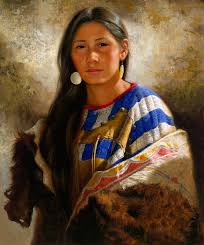
Amstaya Ann Moyjoy is my paternal sixth great-grandmother and remains one of the most fascinating figures in my family history. Her story reflects the blending of oral tradition, early American history, and ongoing genealogical research that continues to connect generations of our family today.
Amstaya Ann Moyjoy was reportedly born in Pennsylvania around 1725 during the colonial era, a time when Native American nations and European settlers were shaping the early history of America. Family traditions associate her with Cherokee ancestry and connect her lineage to several prominent Cherokee families, although some details remain difficult to fully verify through surviving historical records.
Historical family lineage records connected to the Moytoy and Cherokee family lines. Courtesy of Ancestry®
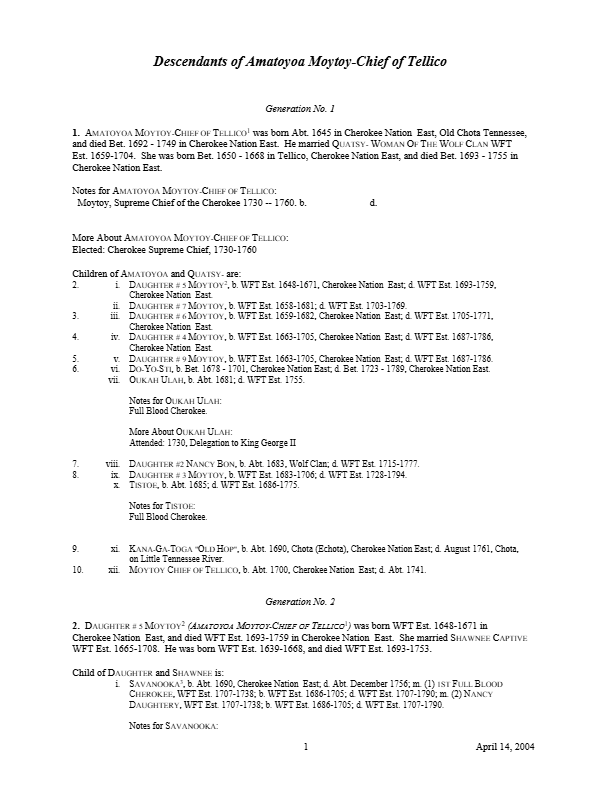
According to family records, her parents were Oconostota, also referenced in family histories as Chief Oconostota Stalking Turkey Little Carpenter White Owl Raven Moytoyaka James Beaver Attakullakulla (1680–1741), and Nionne Ollie/Aniwaya Nancy Li Wildrise 1 Broom Minnie Large Moytoy Attakullakulla/Tenase/Bellis (1685–1746). Researchers continue to study these family connections, as Cherokee naming traditions and colonial records often varied significantly during the eighteenth century.
Family records also identify several siblings connected to the Moyjoy and Attakullakulla lines, including Chief Attakullakulla (1699–1777), Nancy Black Fox, remembered in some family histories as a Chickasaw woman (1705–1763), and Clogoittah, also known as Susan Moytoy Carpenter Doublehead (1710–1764). Additional family traditions reference half-siblings including Dragging Canoe (1734–1792), Ogemahgeshigoquay Raven, and Catherine Kingfisher.
Around 1750, Amstaya Ann married Capt. Robert William Black in Philadelphia, Pennsylvania. Together they raised a large family whose descendants became part of Pennsylvania’s early American communities. Their children reportedly included William Black (1753–1837), Thomas Black, Sarah Black, Samuel Black, Robert Black, Rachel Black, Jean Black, James John Black, Eleanor Black, Hannah Black, and Martha Black.
Their eldest known son, William Black, was born in December 1753 in Nockamixon Township, Bucks County, Pennsylvania. Historical records place members of the Black family in Philadelphia, York County, Mount Joy, and Biglerville throughout the late eighteenth century.
Amstaya Ann lived through an extraordinary period of history that included the colonial years, the French and Indian War, the American Revolution, and the early formation of the United States. By 1790, records place the Black family in York County, Pennsylvania, where they became part of the growing frontier communities of the new nation.
Following the death of her husband, Capt. Robert William Black, on June 27, 1799, after nearly fifty years of marriage, Amstaya Ann later married Richard Parks in Philadelphia in 1806 at approximately eighty-one years of age.
She died on April 13, 1808, in Pennsylvania at approximately eighty-three years old. A memorial associated with Ann Black appears at Mount Moriah Cemetery. Because the cemetery was established after her death, researchers continue to investigate whether this reflects a later reburial or memorial dedication.
The story of Amstaya Ann Moyjoy reminds us that genealogy is often a blend of documented history, oral tradition, and continuing discovery. Each generation adds new pieces to the puzzle, preserving the stories, struggles, and legacies of those who came before us.
April 2026 Featured Ancestor
Matilda “Tillie” Patricia Carlson Slater (1876–1915)
Cousin on My Paternal Side
Matilda Patricia Carlson was born on September 2, 1876, in Norway, to Ole Andreas Karlsen and Fredrikke Martine Jakobsen. Both of her parents were young, just beginning their lives in a country many were preparing to leave behind. Matilda would become part of that movement.
By 1891, she was living in Vestfold, Norway. Within a year, her life changed dramatically. In 1892, at only 16 years old, she was living in Seattle, Washington. Crossing the ocean at such a young age suggests a family willing to take risks in search of opportunity.
On March 13, 1896, at age 19, Matilda married Harry Grant Slater in Seattle. Their marriage marked the beginning of a life defined by movement, hard work, and family. Over the next 17 years, Matilda gave birth to nine children.
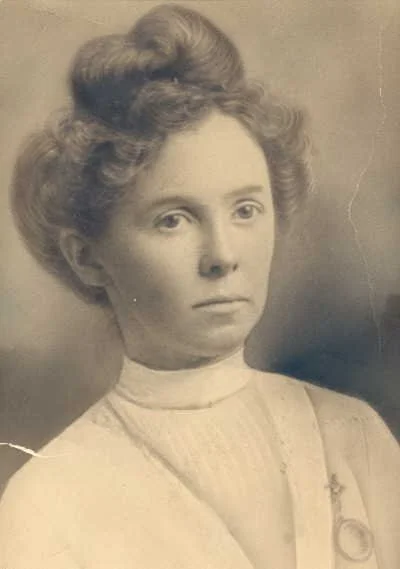
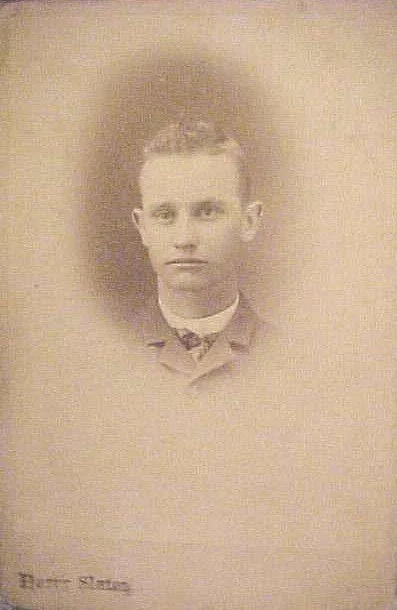
Matilda “Tillie” Carlson and Harry G. Slater, circa 1890s
Photographs from early in their lives, around the time of their marriage in Seattle on March 13, 1896.
Just two years after their marriage, new opportunity began to draw Americans north. In 1898, the Homestead Act was extended to the Alaska Territory, offering land to those willing to settle there. Around the same time, gold discoveries in the Yukon brought waves of people hoping for a better future.
The promise of land and opportunity sounded appealing, but Alaska was not easy to claim. Harsh winters, poor soil, isolation, and dangerous conditions made daily life difficult. Few settlers stayed long enough to meet the requirements needed to secure land.
Matilda and Harry were among those who went anyway.
By 1900, they were living in Douglas Island, Alaska, a mining town shaped by the gold boom. Life there required resilience. Supplies were limited, winters were long, and raising a growing family added constant pressure. Still, families like the Slaters helped build these early communities.
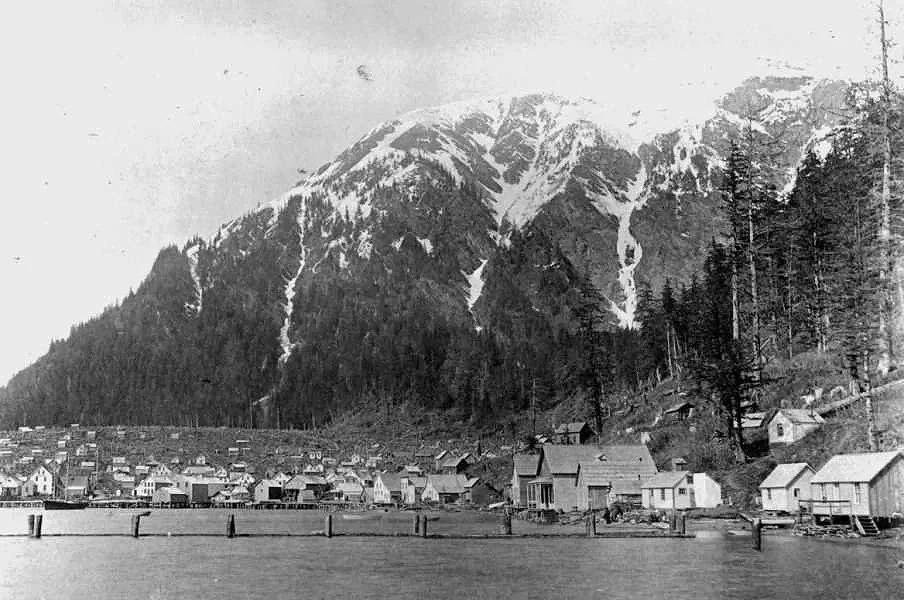
Douglas Island, Alaska, around 1900
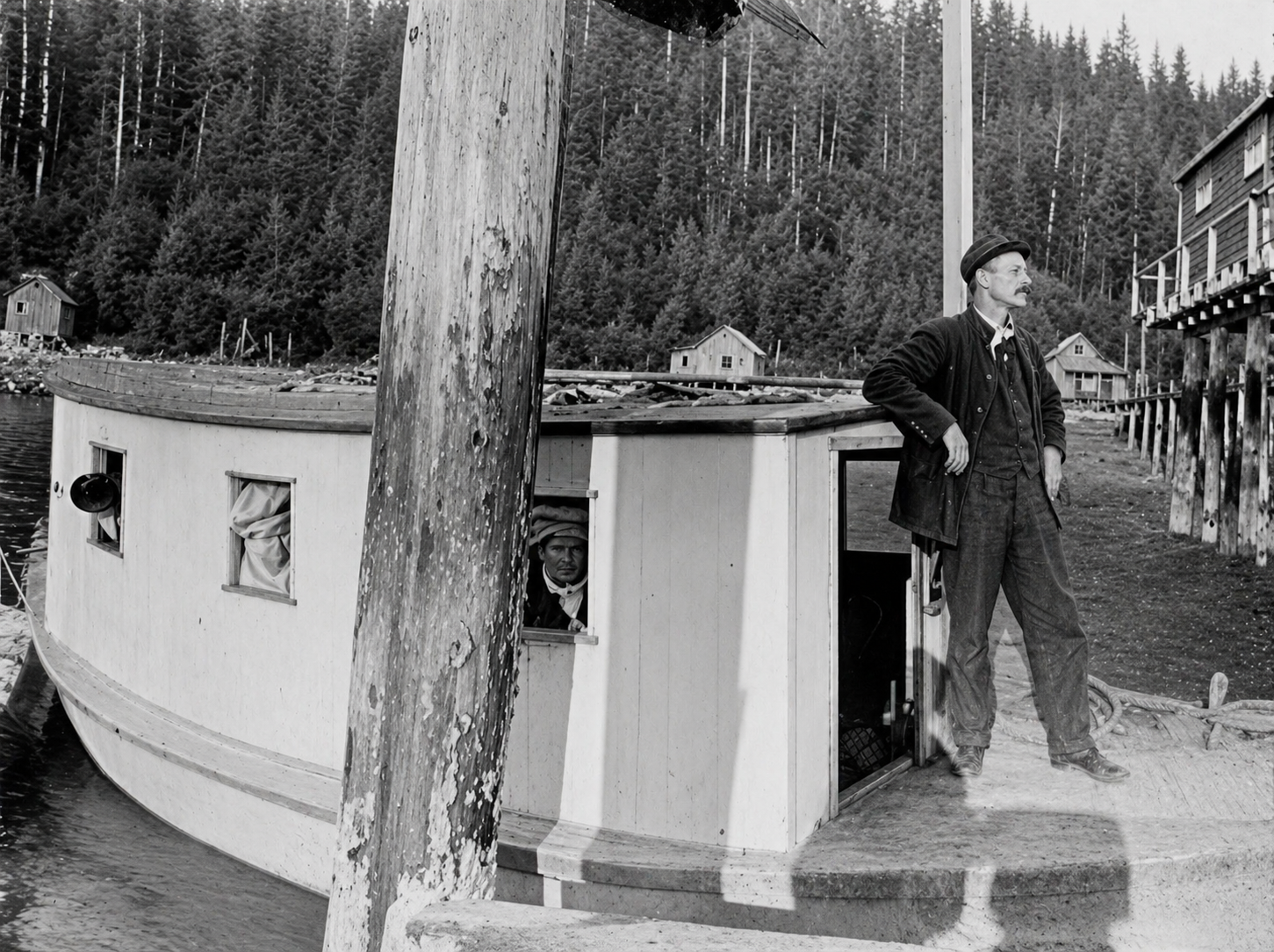
Harry G. Slater on deck, Tillie peering out the first window
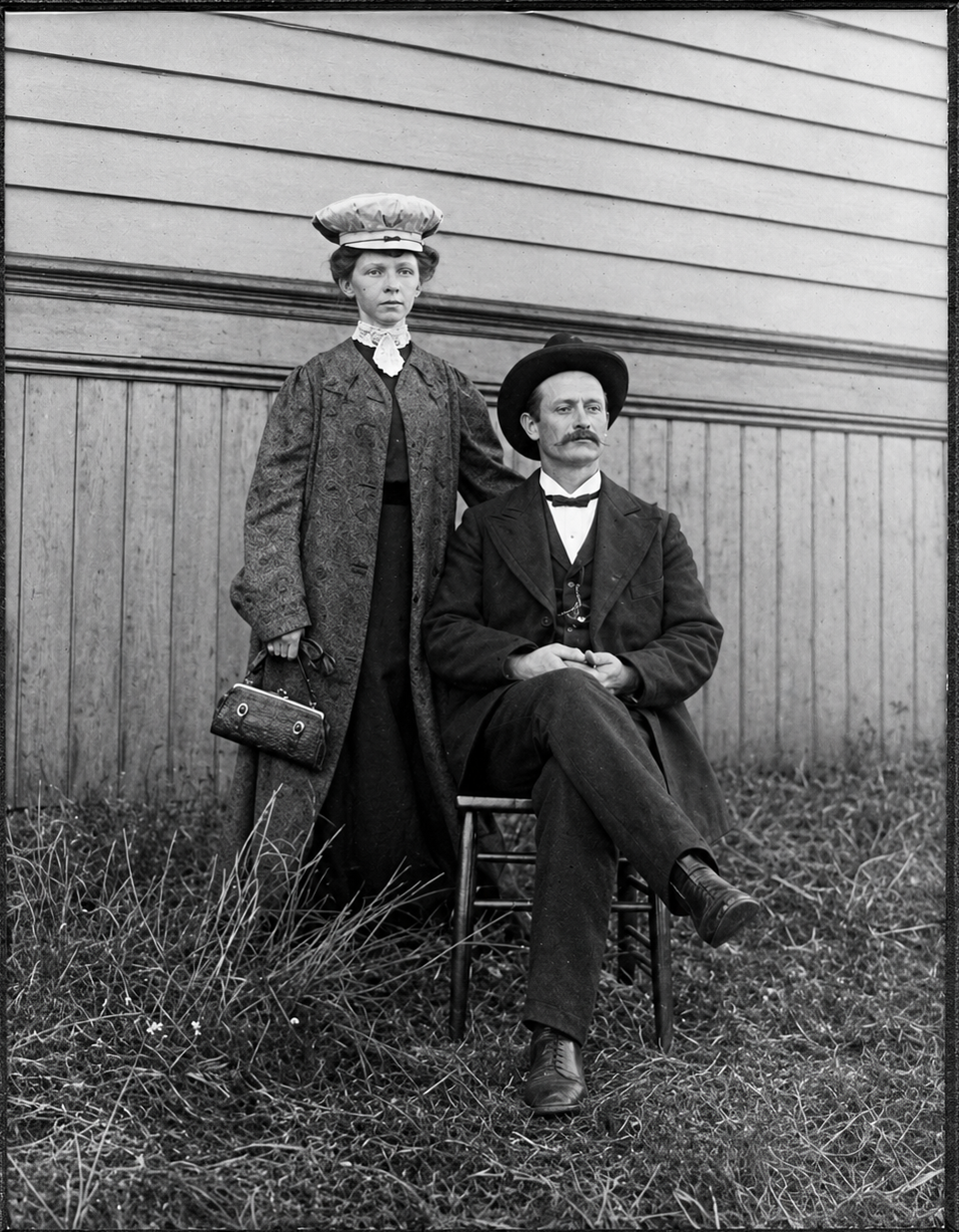
Tillie and Harry Slater during their years in Alaska
After their time in Alaska, the family moved once more, eventually settling in Longmont, Colorado. This move likely offered more stability after years of frontier life. By then, Matilda had spent much of her adult life raising children and adapting to constant change.
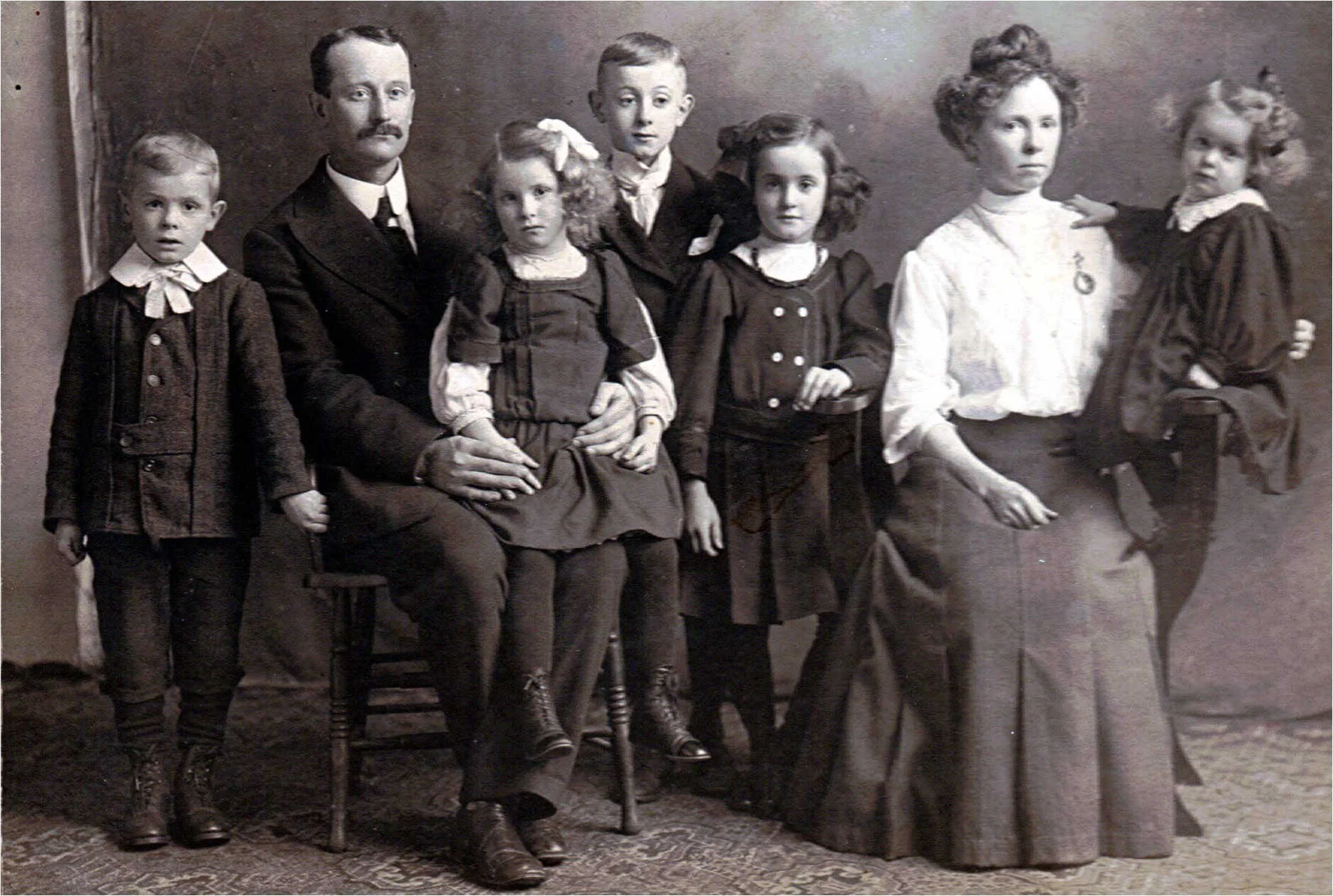
The Slater family
Clarence, Harry, Myrtle, Elmer, Ada, and Tillie holding baby Verna
Matilda’s life was full, but it was not long. She died on December 15, 1915, at the age of 39. Like many women of her time, especially those who bore large families and lived through physically demanding conditions, her life was shortened by the realities of the era.
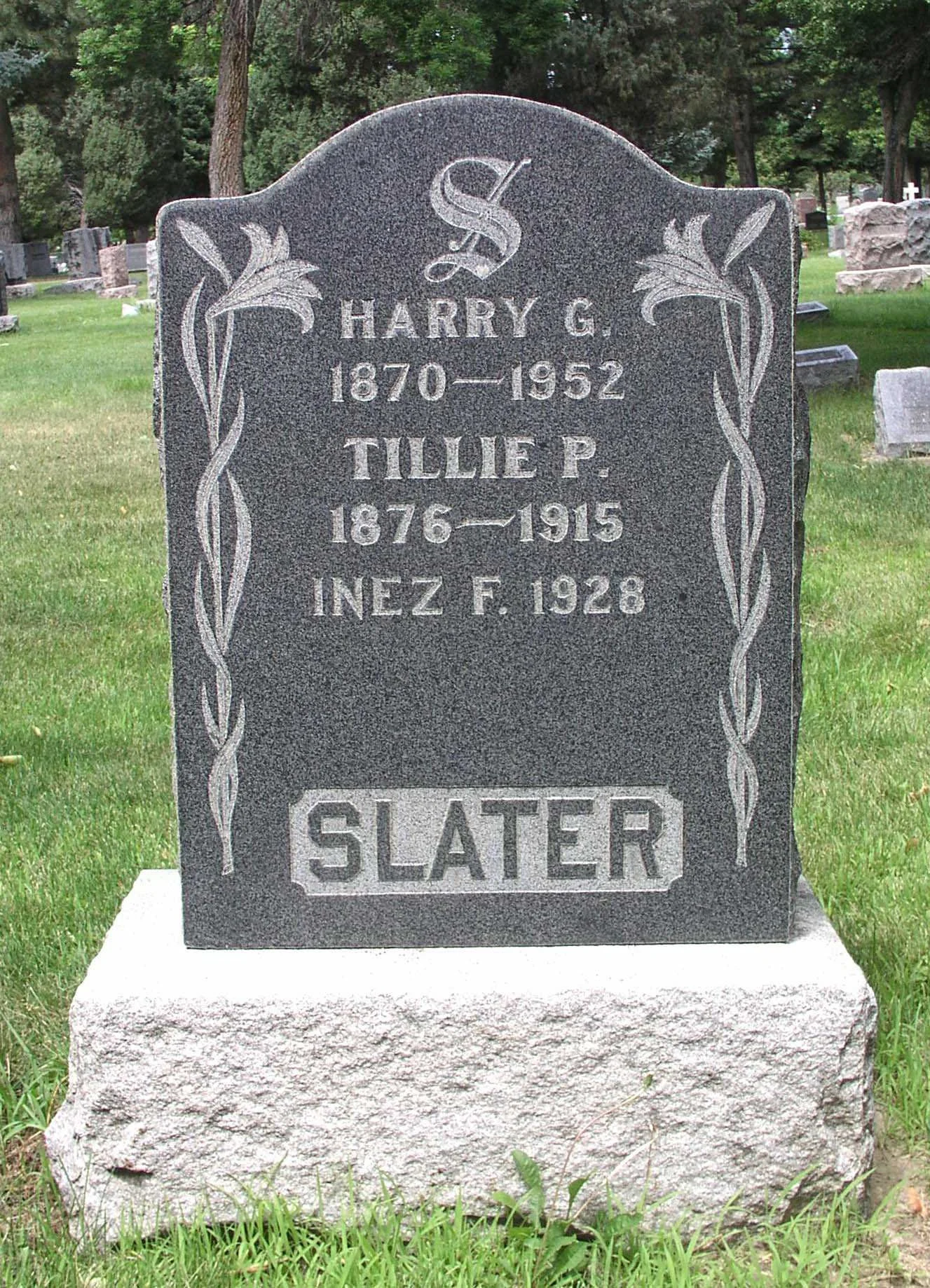
Slater family headstone, Longmont, Colorado
Her story reflects a larger history. From Norway to Washington, north to Alaska, and finally to Colorado, Matilda’s life followed the path of many immigrants who helped shape the American West. She adapted again and again to new places, new challenges, and new responsibilities.
She did not live long, but she lived a life marked by courage, movement, and endurance. Her legacy remains in the family she raised and the path she helped carve across a changing world.
March 2026 Featured Ancestor
Rocco Route (1850–1937): From Basilicata to Colorado
My Great-Great-Uncle
Rocco Route, my great-great-grand uncle, was born in 1850 in Potenza, Provincia di Potenza, Basilicata, Italy, to Vincenzo Ruoti and Angela Raffaela Vincenza Raimondi. He entered the world in a mountainous region of southern Italy where daily life revolved around agriculture, faith, and family. Italy had not yet unified, and opportunity was limited, especially for large rural families.
As part of my paternal Route line, Rocco’s journey reflects the migration story that shaped my own family history.
As the eldest child, Rocco grew up helping care for his younger siblings: brothers Gerardo “Jerry” and Giuseppe “Joseph,” and sister Antonette. In nineteenth-century Basilicata, older children often assumed adult responsibilities early, contributing to the household and supporting the family’s survival.
On August 7, 1877, at age 27, Rocco married Arcangela “Angie” Rivello in Potenza. Their union joined two families in a close-knit community where marriage strengthened both emotional and economic ties. Like many southern Italians of their era, they soon faced a defining choice: remain in a region marked by hardship, or risk everything for opportunity abroad.
By 1879, Rocco had immigrated to Colorado, becoming part of the wave of southern Italian immigrants seeking a better future in the American West. There, he and Angie began building a large family, welcoming children throughout the 1880s and 1890s. Life was demanding, but it offered possibilities unavailable in their homeland.
Despite establishing roots in America, ties to Italy remained strong. Records show that one daughter was born in Potenza in 1893, suggesting the family temporarily returned before settling permanently in Colorado. By 1900, Rocco was living in Berkeley, Colorado, listed as head of household. He became a naturalized United States citizen in 1904, securing his place in the country he had chosen.
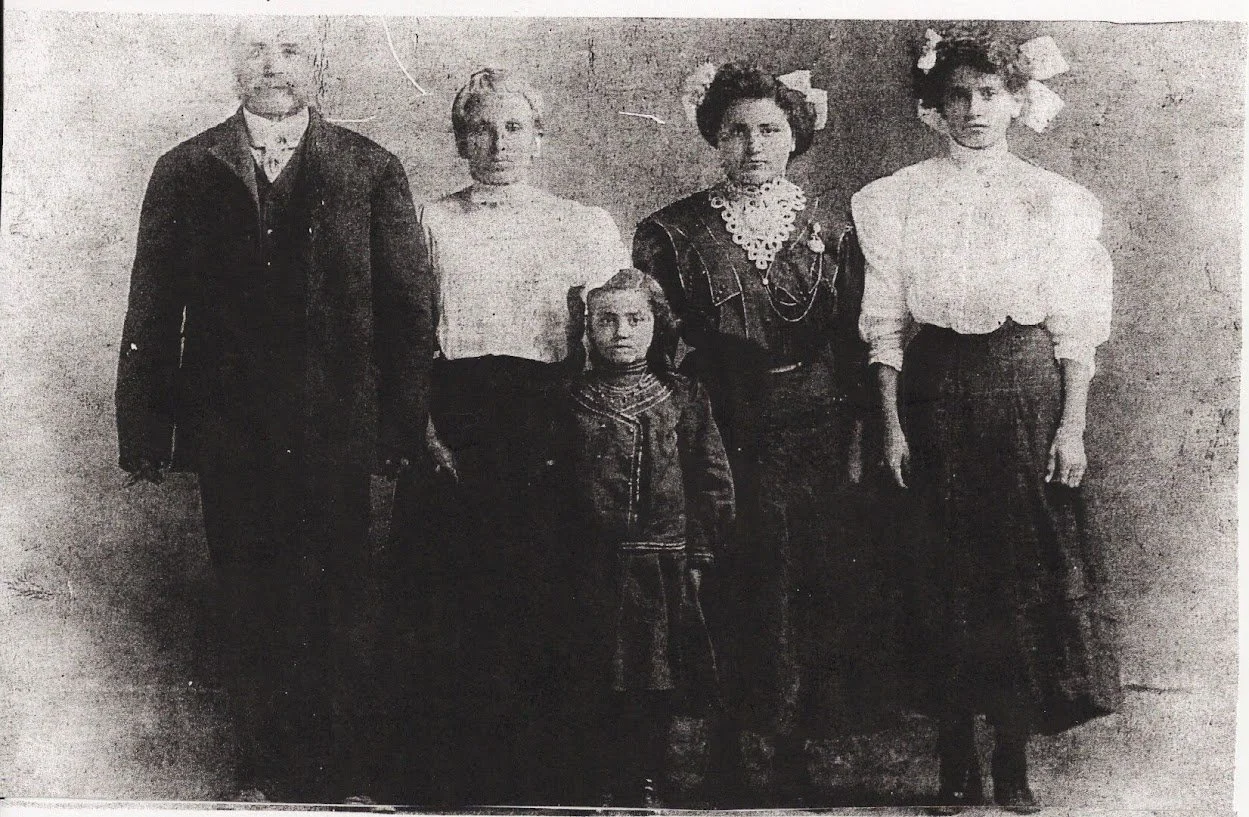
Route Family Portrait (c. early 1900s)
This photograph captures the dignity and resilience of an immigrant family at the turn of the century. Their formal posture and steady expressions reflect pride, endurance, and the determination to build something lasting in a new land.
Over the years, Rocco endured both joy and profound loss. He mourned the deaths of siblings and children. Yet he continued forward, rooted in family and faith.
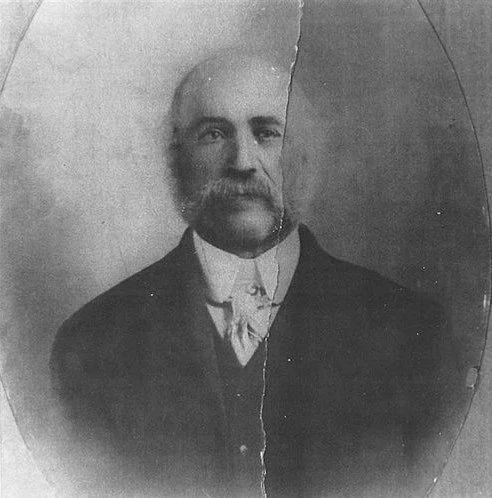
Portrait of Rocco Route, early 1900s
In this portrait, Rocco appears steady and composed, a man who had weathered decades of change. From pre-unification Italy to the expanding United States, his life spanned nearly nine decades of transformation. His expression reflects strength, endurance, and quiet resolve.
After 58 years of marriage, his wife Arcangela died on August 14, 1935. Rocco lived nearly two more years, witnessing the family he helped build firmly rooted in America.
Rocco’s story is more than a timeline of events. It is a narrative of courage, sacrifice, and determination. He left his homeland so future generations could thrive.
For me, researching Rocco is not simply documenting a relative. It is honoring a migration story that shaped my own existence. Every record and every preserved photograph connects past to present.
Final Resting Place — Mount Olivet Cemetery, Wheat Ridge
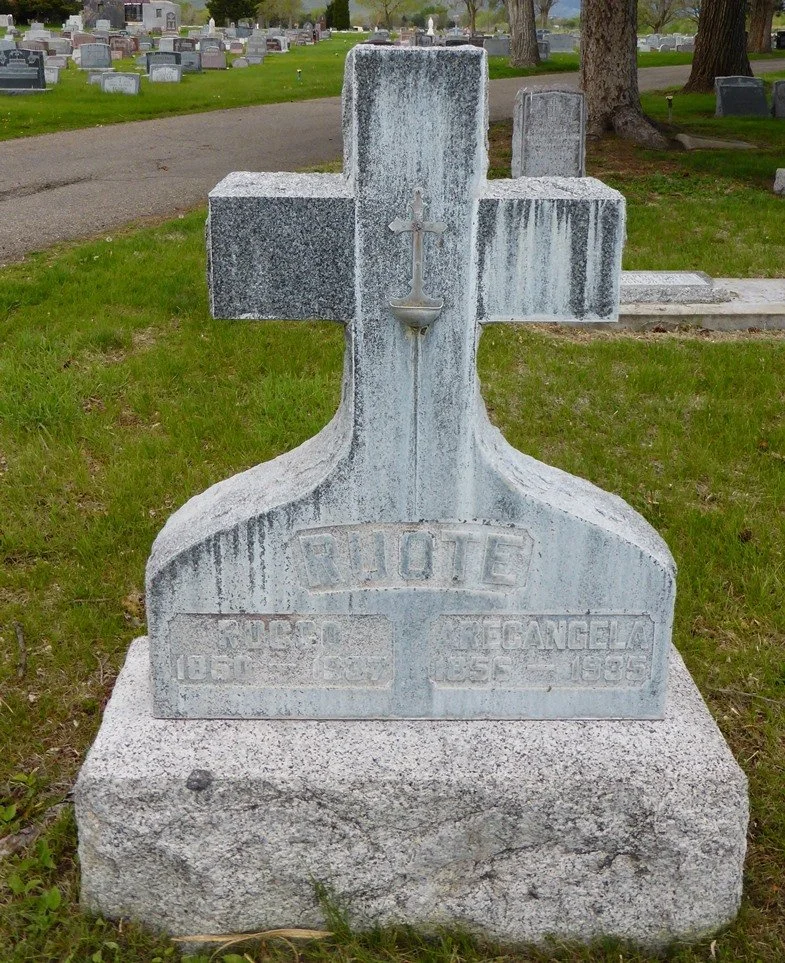
Mount Olivet Cemetery, Wheat Ridge, Colorado.
On January 20, 1937, at the age of 87, Rocco Route died in Colorado and was laid to rest at Mount Olivet Cemetery in Wheat Ridge.
He was born in a small hill town in southern Italy.
He died an American citizen in the modern United States.
His life bridged two countries, two cultures, and generations of change.
Genealogy reminds us that our lives are built on the courage of those who came before us.
And Rocco’s courage still echoes today.