Why Canada Must Acknowledge Forced and Coerced Adoption Practices
One thing that has been on my mind lately is how few governments around the world have formally acknowledged the harm caused by historical forced and coerced adoption practices.
For decades, countless unmarried mothers were pressured, coerced, or forced to surrender their children. Many were told they had no choice. Many adoptees grew up without knowing the truth about their origins. Families were separated through systems that often involved governments, churches, hospitals, social workers, and adoption agencies.
While the circumstances varied from country to country, the result was often the same: mothers lost their children, adoptees lost access to their identities and histories, and families were left with unanswered questions that lasted a lifetime.
In recent years, several governments have issued formal apologies for historical adoption practices that caused profound and lasting harm:
• Australia (2013)
• Ireland (2021)
• Scotland (2023)
• Wales (2023)
• The United Kingdom (2026)
These apologies matter because they acknowledge a painful truth: many of these separations were not truly voluntary.
But historical domestic adoption practices are only one part of this larger story.
Intercountry adoptees have also spoken about forced, unethical, and illegal practices, including falsified documents, missing or unreliable records, improper consent, trafficking, and the loss of their original identities.
Any meaningful acknowledgment from Canada must include everyone harmed by forced, coerced, unethical, or illegal adoption practices, whether those adoptions occurred within Canada or across international borders. No one should be left out because their experience does not fit neatly into one category.
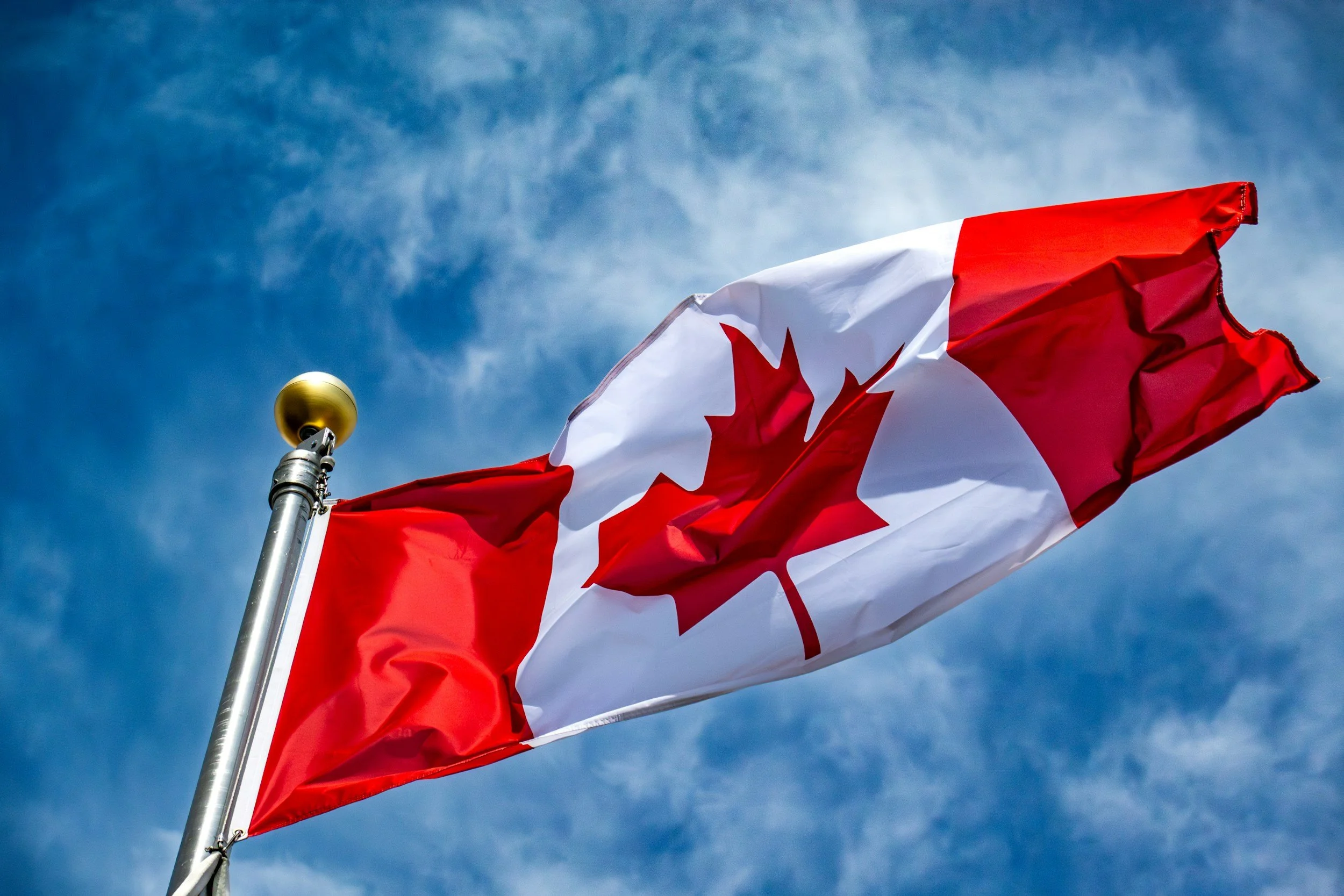
For me, Canada is deeply personal.
I am a late-discovery adoptee who learned that I was part of the black-market baby trade out of Canada. I was never legally adopted, and I have no legal birth certificate or reliable legal documents confirming the truth of my origins.
Like many adoptees, I have spent years searching for answers. I know firsthand what it means to discover later in life that the story you were told about your beginnings may not be the complete truth.
I understand the frustration of missing records, conflicting information, and questions that should never have existed in the first place.
The search for identity is about far more than curiosity. It is about understanding where we come from, who we are, and what happened to us.
Access to truthful records and accurate information should not be a privilege. It should be a fundamental right.
That is why I was encouraged to learn that advocate Christine Weir Nayler and Canadians for a National Apology have announced a National Day of Action on September 21, 2026, calling for a formal government apology for Canada’s forced and coerced adoption practices.
Survivors, mothers, adoptees, families, and allies are expected to gather on Parliament Hill and in communities across Canada to call for recognition, accountability, and access to the truth.
Canada cannot change what happened in the past. It can, however, acknowledge the harm that was done. It can listen to the people who lived through it and help repair what can still be repaired.
That must include meaningful access to original records, accurate identity documents, family and medical histories, appropriate emotional support, and the inclusion of people with lived experience in decisions about future policies.
An apology should not be the end of the conversation. It should be the beginning of truth, accountability, and lasting change.
Acknowledgment alone cannot erase the pain, restore the years that were lost, or repair every family that was separated. It cannot answer every question or undo the lifelong consequences experienced by mothers, adoptees, and their families.
But recognition matters.
Being heard and believed matters.
Access to the truth matters.
Any future apology from Canada must include everyone affected by forced, coerced, unethical, and illegal adoption practices, including intercountry adoptees. It must also be followed by meaningful action so that the same harms are not allowed to continue under different names or within different systems.
Most importantly, every person deserves access to the truth about their own origins.
Thank you to adoptee advocates Zara Phillips, Christine Weir Nayler, Lynelle Long, Debbie Nahid, and the many others who continue to raise awareness and work toward truth, recognition, accountability, and justice for adoptees and families
— Diana Kayla Hochberg
Author of Connected: Finding My Truth