How to Start Your Genealogy Journey
A simple, beginner friendly guide to help you begin exploring your roots, especially if you are adopted or missing information. This page will walk you through the first steps, the tools you will need, and how to move forward even if your story begins with gaps, silence, or uncertainty.
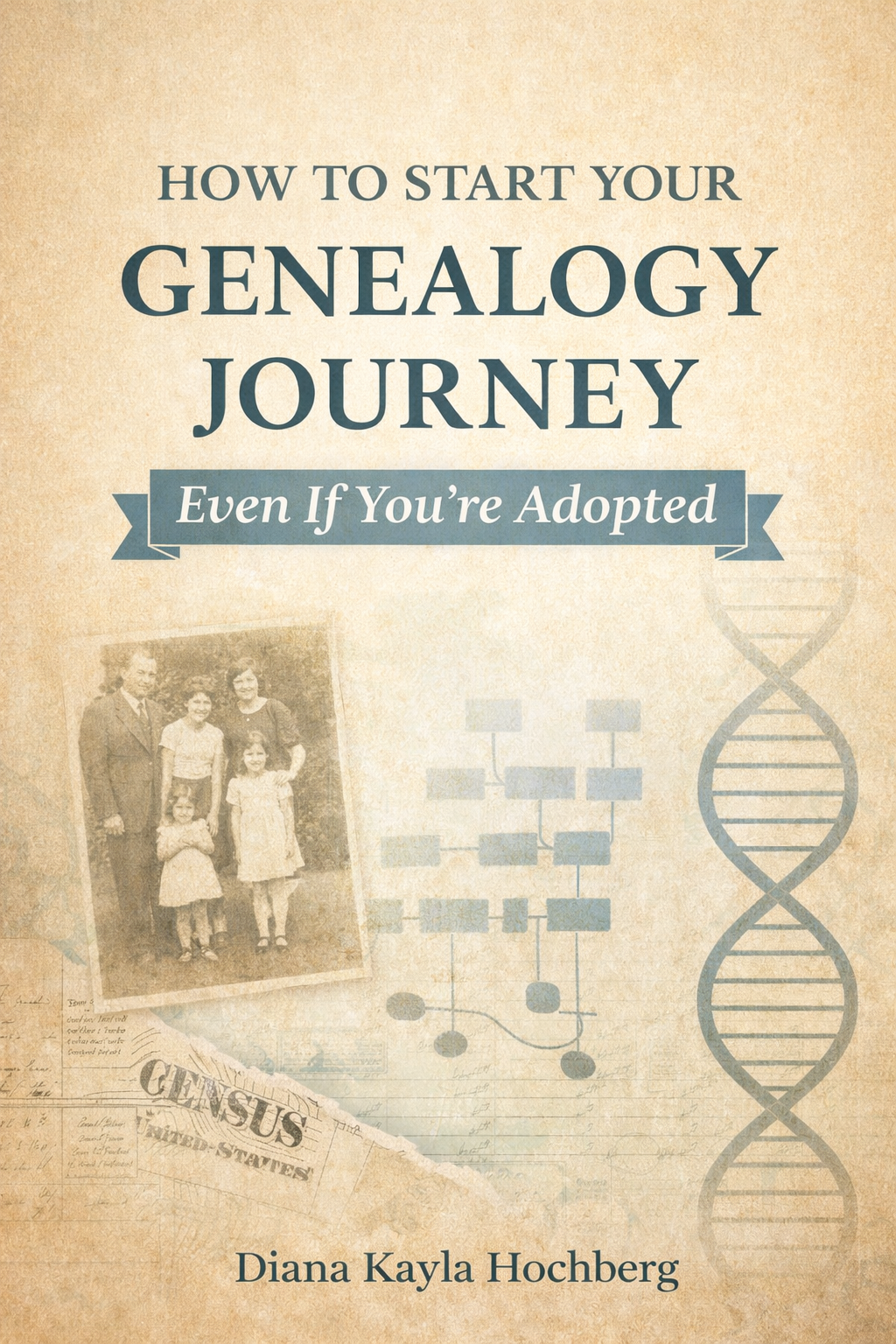
How to Start Your Genealogy Journey
Even If You Are Adopted
If you have ever wondered where you come from, you are not alone. Many people feel the pull to understand their lineage, especially when parts of their history are missing, unclear, or were never fully explained.
Genealogy is not just about names and dates. It is a way of seeking context, truth, and understanding, particularly for those whose identities were shaped by adoption, separation, or silence.
This guide offers a place to begin.
1. Start With What You Know
Begin by writing down your full name, date and place of birth, and any details you already have. If possible, do the same for your parents and grandparents.
What you have may feel incomplete. That is normal. Accuracy matters more than completeness. Start where you are.
2. Talk to Family
If it is possible, speak with parents, grandparents, aunts, uncles, or anyone who might remember details. Ask about names, places, dates, and stories.
Some conversations will be easy. Others may be difficult or limited. Both are part of the process. If you have the opportunity to ask, do not wait.
3. Collect the Paper Trail
Look for documents and records such as:
• Birth, marriage, and death certificates
• Old photographs, especially those with writing on the back
• Obituaries and memorial cards
• Letters and journals
• Family bibles
• Military records
• Immigration, passport, or naturalization documents
These pieces may seem small on their own, but together they help form a clearer picture.
4. Use the Right Tools
There are many tools available to support genealogical research.
Free Resources:
• FamilySearch.org, which provides a wide range of records at no cost
Subscription Based Tools:
• Ancestry
• MyHeritage
• FindMyPast
DNA Testing Services:
• AncestryDNA
• 23andMe
• MyHeritage DNA
• FamilyTreeDNA
DNA testing can help confirm relationships or identify biological connections, especially when records are limited or missing.
Use these tools carefully. Save sources. Verify information when you can.
5. If You Are Adopted
You still get to do this. You still have a story.
Begin with what is available. Your adoptive family history is part of who you are. If you choose to search for biological roots, take it one step at a time.
You may want to:
• Review your state or country adoption record access laws
• Consider DNA testing, which is often the most effective tool for identifying biological relatives
• Prepare for unexpected information and allow yourself time to process it
You are allowed to go slowly. You are allowed to pause.
6. Take Notes and Save Sources
Document where each piece of information comes from. Even brief notes can prevent confusion later.
Genealogical research is not about speed. It is about care.
7. Be Patient. Be Curious.
Genealogy is rarely a straight line. It can involve waiting, uncertainty, and unanswered questions. Some answers arrive slowly. Some never arrive at all.
But when something does come together, it can change how you understand yourself and your place in a larger story.
There is no single outcome you are meant to reach. What matters is that you are allowed to ask.
Thank you for beginning this journey. Whether you start with a full tree or just a few pieces, every story has a beginning. When you are ready, explore my weekly genealogy posts to see real photographs, discoveries, and the lessons I uncover along the way.