This section is dedicated to my ongoing genealogical journey, uncovering roots, restoring lost connections, and sharing the stories that make families whole.
As a Late Discovery Black Market Baby, my genealogical research began not with curiosity, but with necessity. What started as a search for truth became a passion for helping others rebuild their family histories. Each week, I share a different ancestor, photograph, or discovery from my research. These stories help connect generations and reveal how family history continues to shape who we are today.
Weekly Genealogy Spotlight — Week 2
January 19, 2026
Dorothy Ramona “Dot” Kolosky (1934–2019)
Born: February 14, 1934 • New Westminster, British Columbia
Died: December 5, 2019 • Surrey, British Columbia, Canada
This week, I’m sharing the story of my Aunt Dot. She is not just a relative, but a woman whose life reflects resilience, restraint, and the quiet ways family history is carried forward.
Dorothy Ramona Kolosky was born in 1934, during a time when women’s lives were often shaped by expectation rather than choice. At nineteen years old, her marriage was arranged. In 1953, she married a Ukrainian man named Mike Cvetkovich. Their marriage lasted eighteen years and produced no children, but it left lasting emotional and physical scars. Dot later spoke openly about enduring years of mental and physical abuse before finding the strength to leave.
Leaving did not harden her. It clarified her.
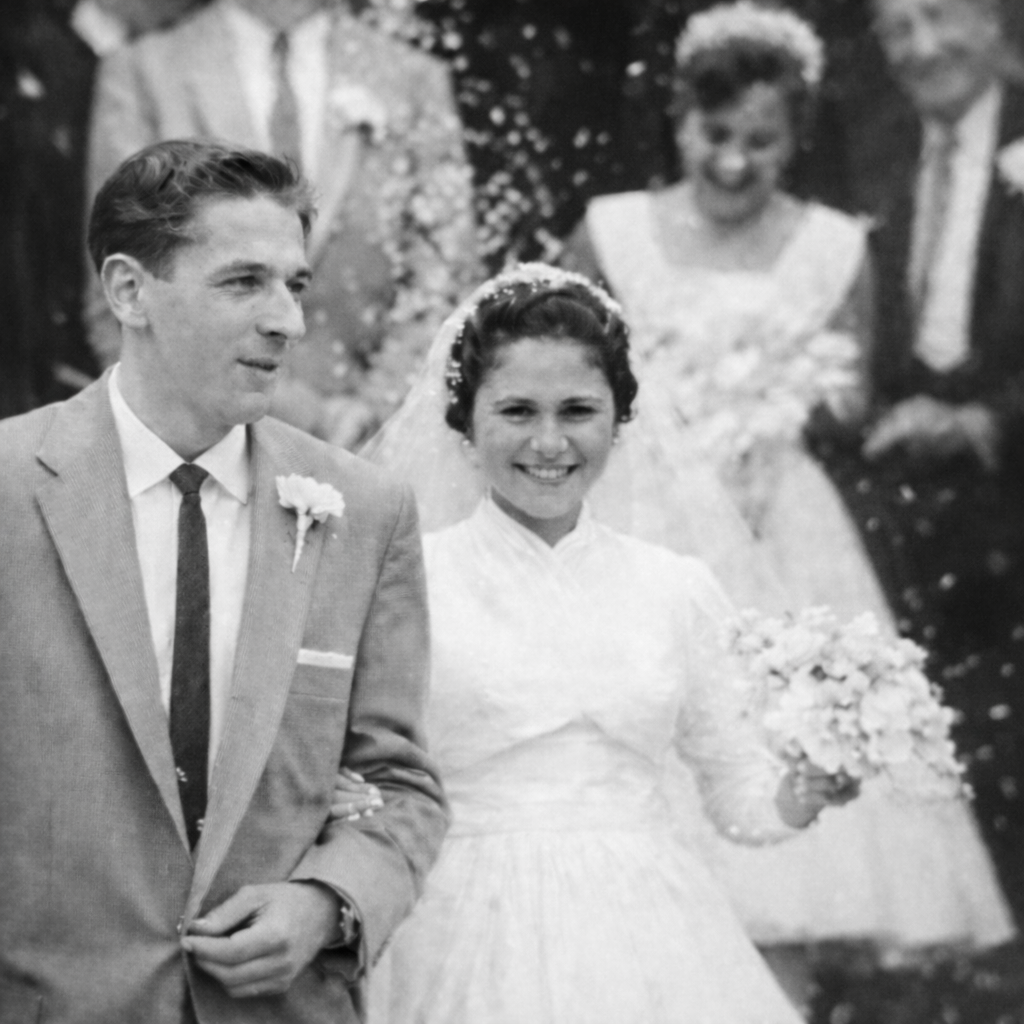
Arranged Marriage | Mike Cvetkovich & Dorothy KoloskyDorothy Ramona Kolosky on her wedding day, 1953
Married at nineteen in an arranged marriage, this photograph captures Dot at the beginning of an adult life shaped by obligation and cultural expectation rather than personal choice.
When I finally met my Aunt Dot as an adult, she was elegant and composed, with a softness that came from lived experience rather than ease. Her hair and nails were always immaculate, not for attention, but as an expression of dignity and self-respect.
The moment she saw me walk into her home, she stopped and stared, as if she had seen a ghost. She asked permission to hug me, then held me tightly and told me my resemblance to my mother was uncanny. In that instant, I understood that my mother had never truly left her.
Dot lived in the countryside outside Vancouver, sharing her home for many years with her roommate Marty. The house was modern, open, and filled with art and antiques. There were very few photographs.
Memory lived there quietly.
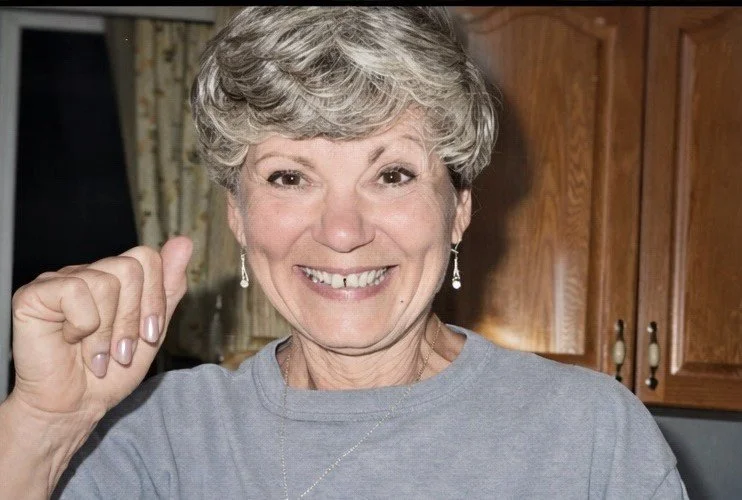
Dorothy “Dot” Kolosky later in life
After leaving an abusive marriage, Dot rebuilt her life on her own terms. Elegant, composed, and quietly observant, she carried dignity not as display, but as self-possession
The Sculpture: A Connection to My Mother
After walking into the great room, I noticed paintings and antiques everywhere. A massive wall storage cabinet stretched across the room, filled with pieces that felt European and Renaissance in style. The space was tasteful and full of memory, yet there were almost no photographs.
There must have been forty to fifty pieces in the room, but only one stopped me in my tracks.
It was entirely white and appeared to be made of porcelain, with a soft matte finish. The sculpture showed two hands, different in size, holding each other. I stood there for several minutes, unable to look away.
Dot asked which piece was my favourite. I told her it was the hands.
She looked at me and said,
“I have so much art and so many antiques, and you picked the only piece I have that belonged to your mother.”
Dot was also a gifted artist, working primarily in watercolours. Her art reflected the same qualities she carried herself: restraint, patience, and attentiveness. She was an avid gardener, and her love of landscape and balance showed clearly in her work.
Later, she gifted me two of her watercolours.
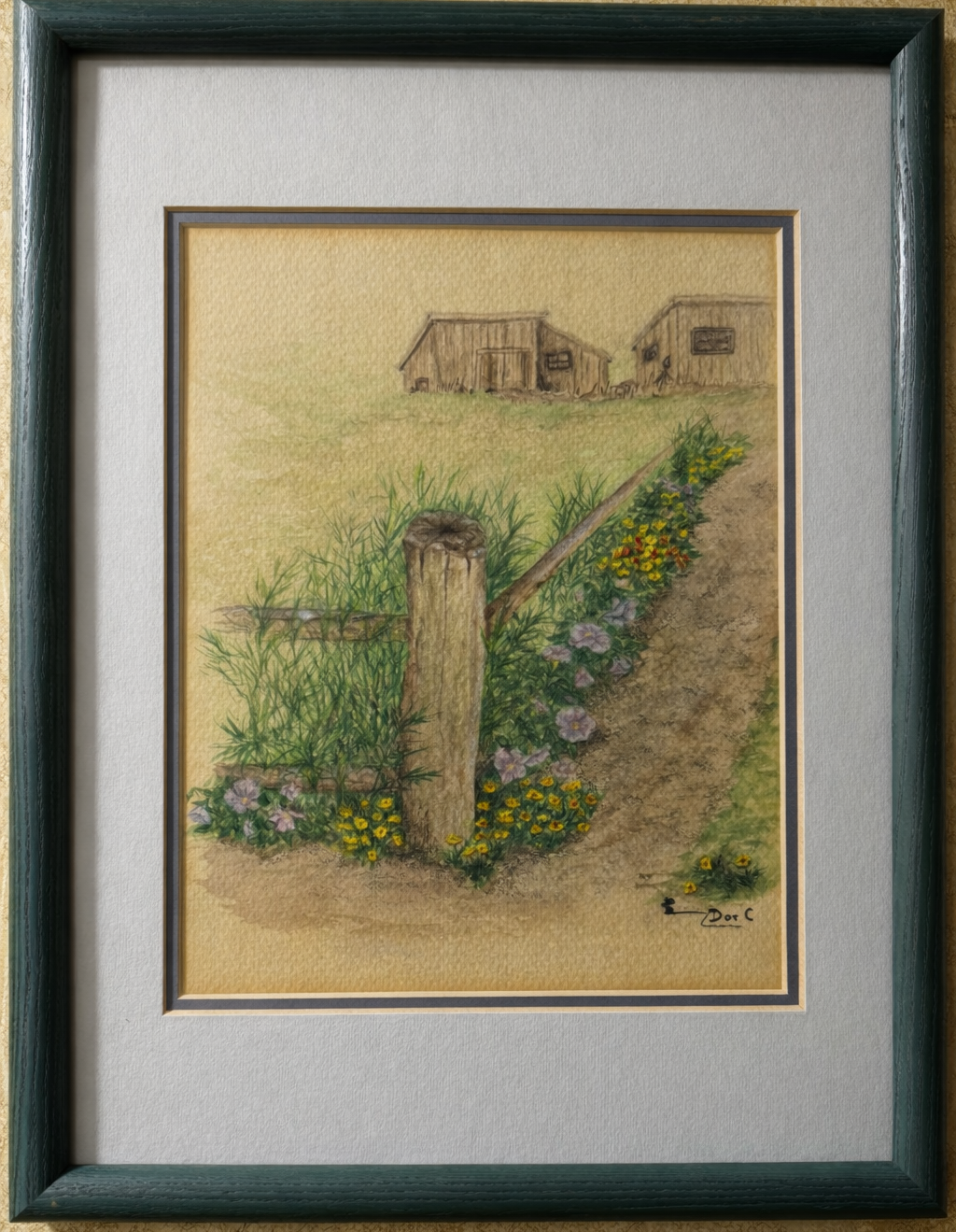
Watercolour by Dorothy Ramona “Dot” KoloskyThis painting is one of Dot’s own works, which she later gave to me. While the sculpture connected me to my mother, this watercolour connects me to Dot and to how she saw the world and what she chose to pass forward.
What She Left Behind
The sculpture connected me to my mother.
The watercolours connect me to my aunt.
Both were found through instinct, not explanation.
Weekly Genealogy Spotlight — Week 3
January 26, 2026
Thomas Frederick Koloski Tom aka Freddie (1931-2010)
Born: April 22, 1931 • New Westminster, British Columbia, Canada Died: September 19, 2010 • Vancouver, British Columbia, Canada
The first contact with family does not always announce itself.
I remember the day I started calling Vancouver, working my way through every Koloski and Kolosky I could find. One call was answered by a man with a gentle voice. “I’m Tom Kolosky,” he said. We spoke briefly and politely, as strangers do. It was only after I hung up that I realized I had just spoken with my biological uncle for the first time.
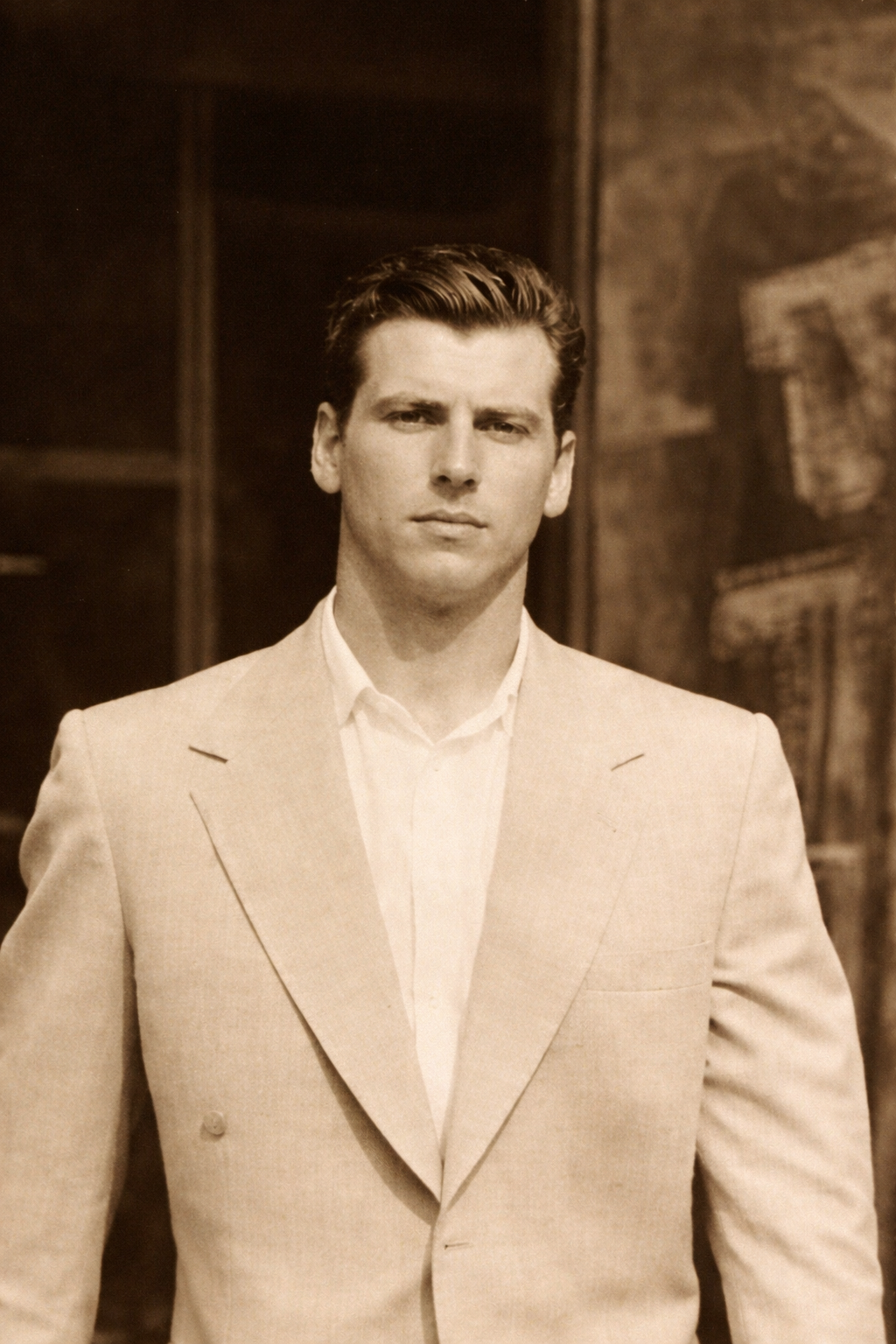
Early Portrait
Thomas Frederick Koloski (Tom “Freddie”)
In early adulthood
Before traveling to Vancouver, I researched my uncle, Thomas Frederick Koloski, known as Tom or Freddie. Born in 1931 in New Westminster, British Columbia, he left Canada in his mid-twenties and crossed into the United States. Records show he lived in Southern California before traveling through South America, including time in Rio de Janeiro. He never married and moved often, a pattern that defined much of his adult life.
Tom was a polyglot, fluent in several languages, a gift he shared with my mother. Languages came easily to him. So did independence. He eventually returned to Canada in the early 1960s, where he spent years caring for my grandmother and maintaining the family home. Health was central to his life. He was meticulous about what he consumed and deeply committed to wellness. I met my uncle several times between 1994 and 2000, though at the time I understood little about his past or how much those encounters would later matter.
Tom died in Vancouver in 2010. A neighbor found him alone in his house. An investigation concluded he had suffered a heart attack and had likely been dead for nearly two weeks. The autopsy revealed that his stomach contained only vitamins, a detail that underscored how seriously he took his health. What stayed with me most was not the cause of death, but how long he had gone unnoticed.
When I visited Vancouver, Jean showed me the outside of the house and then quietly pointed to where Freddie had been buried, near the vegetable garden. He had been laid to rest there without a formal service or cemetery plot. The discovery was shocking. It was my cue to leave. I told Jean I would see her and my Uncle Ron later in the week.
Genealogy does more than trace lives. Sometimes it reveals how a life ends, and how little ceremony can accompany even a long and complicated journey.
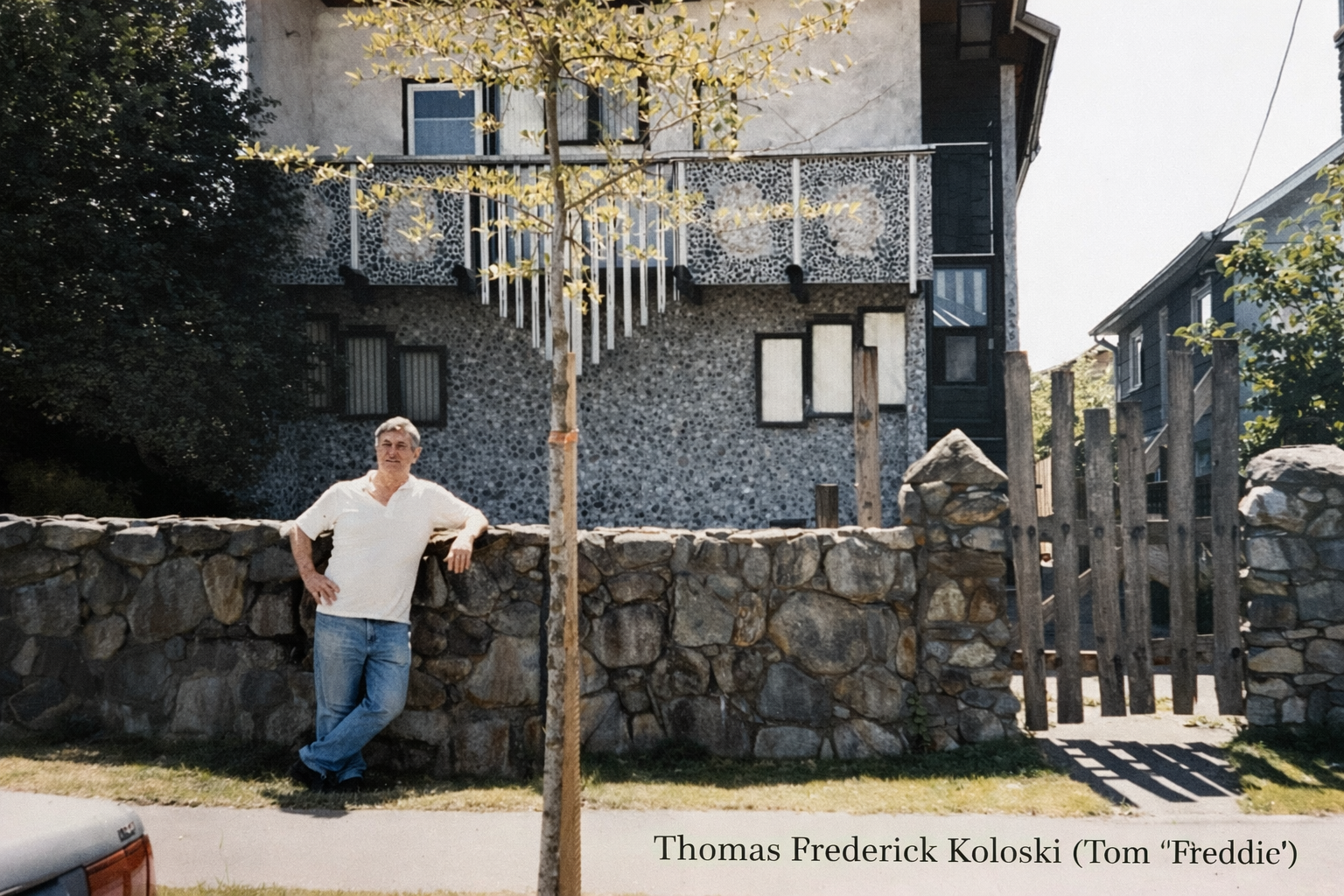
Later Photo (1994)
Thomas Frederick Koloski (Tom “Freddie”)
At the home he shared with and cared for his mother, 1994
