🧬 Genealogy Spotlight Update
To my genealogy community and friends,
Lately, life has been incredibly full, and while I love sharing these stories each week, I want to be sure every spotlight receives the time, care, and research it truly deserves.
Because of this, the Genealogy Spotlight will be moving from a weekly feature to a monthly one.
Family history is deeply personal work. These are not just names and dates — they are lives, journeys, and legacies. Slowing the pace will allow me to dig deeper, verify details, and share more meaningful stories rather than rushing to meet a weekly schedule.
Thank you for your patience, your encouragement, and for being part of this journey with me. Your support means more than you know.
I look forward to sharing the next Monthly Genealogy Spotlight very soon.
With gratitude,
Diana Kayla Hochberg 💛
Weekly Genealogy Spotlight — Week 5
February 13, 2026
Jenima Ann "Minnie" Richardson (1838-1866)
Paternal 3× Great Grandmother
Born: October 8, 1938 Pike County, Indiana USA
Died: September 20, 1866 Pike County, Indiana USA
Jemima Ann “Minnie” Richardson was born on 18 October 1838 in Pike County, Indiana, to John Beadles Richardson and Mary Ann Richardson, members of a farming community rooted in the rural Midwest. At just 15 years old, she married Elijah Alexander Black, beginning adult responsibilities far earlier than most would today. Early marriages were not uncommon in mid 19th century frontier communities, where family labor, survival, and social expectations shaped the rhythm of life. From that point forward, Jemima’s world would center on home, children, church, and the demanding realities of farm life in southern Indiana.
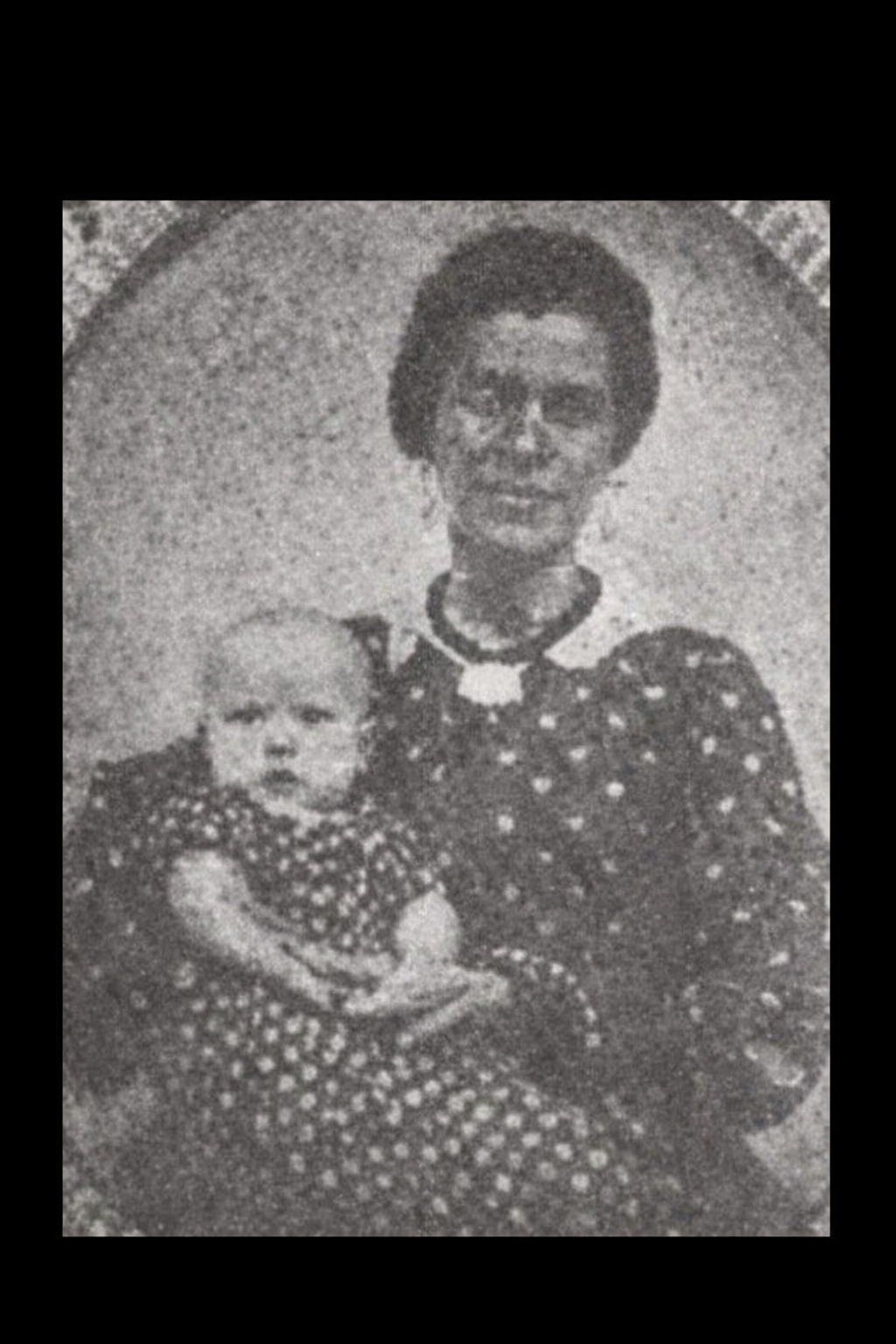
Public member photo, Ancestry®
Jemima’s life came to a tragic end on 20 September 1866, just weeks before her 28th birthday. She was laid to rest in Wood Cemetery, in the same landscape where she had been born, married, and raised her children. The timing of her death, only three days after the birth of her son George A. Black on 17 September 1866, strongly suggests complications related to childbirth. In the 19th century, childbirth was one of the most dangerous events in a woman’s life. She may have died from postpartum hemorrhage, infection often called childbed fever, or another delivery complication for which no effective treatment existed at the time.
George survived his mother by only a short time. He died on 1 October 1866 at just two weeks old. Infants born prematurely or weakened by difficult births rarely survived without modern medical care. The loss of a mother immediately after birth also meant the loss of breast milk, warmth, and constant care, all essential to newborn survival. Families did what they could, sometimes relying on relatives or wet nurses, but outcomes were uncertain. His brief life stands as a stark reminder of how closely the survival of mother and child were intertwined.
Another child, Sarah F. Black, born 6 February 1863, survived her mother by only one year. She died on 18 October 1867 at just four years old. Childhood mortality in the 1860s was tragically common, with diseases such as diphtheria, scarlet fever, measles, or whooping cough frequently sweeping through rural communities. Losing her mother at age three may have further weakened her chances, as maternal care was central to nutrition, hygiene, and stability.
These losses likely occurred at home, surrounded by family rather than physicians. One can imagine the modest farmhouse in Pike County in the autumn of 1866, a household first welcoming a newborn, then plunged into mourning for a young mother, and within days burying the infant as well. The following year brought yet another funeral, this time for a small child. If their graves lie near one another in Wood Cemetery, they form a poignant cluster that tells a story words never recorded.
Jemima’s story reflects the hidden toll borne by women on the American frontier, while the deaths of George and Sarah reveal how fragile early life once was. For Elijah Alexander Black and the surviving children, endurance meant continuing forward despite unimaginable loss. Many 19th century family plots hold similar groupings of short lives, silent evidence of epidemics, medical limitations, and the resilience required to rebuild afterward.
Today, cemetery records and memorial pages serve as quiet bridges across time. They preserve not only dates and relationships but the emotional reality of families shaped by grief. Remembering Jemima Ann “Minnie” Richardson Black and her children restores them to the story of their community and descendants. Their resting place in Pike County stands as a testament to love, loss, and the enduring threads of family that continue long after brief lives have ended.
She spent her entire life in Pike County, where she gave birth to four children and helped sustain her household through years marked by both national upheaval and local continuity. The Civil War era brought uncertainty even to communities far from the battlefields, as families faced economic strain, shifting social structures, and the absence of men who served. Yet daily life on the farm continued, governed by seasons, harvests, and the constant work required to support a growing family.